2 hr
Blue Lagoon Snorkeling & Kanto Lampo Waterfall Experience
- Entry ticket
- Mobile voucher
- Valid same day
- Free cancellation
Snorkeling Bali Blue Lagoon — Padangbai's Premier Reef
Turquoise shallows and coral gardens, minutes from shore
Compare fares, pick the fit — all bookings are mobile-voucher and eligible for free cancellation where shown.
2 hr
5 hr
7 hr
Visitors planning a snorkeling bali blue lagoon experience can choose between independent beach access or comprehensive guided snorkeling bali blue lagoon tours. While the site itself requires no entry fee beyond a small parking charge, selecting the right package ensures seamless logistics for your underwater exploration.
| Self-Guided Access Independent Visit |
Top pick All-Inclusive Tour Full-Service Package |
|
|---|---|---|
| Entrance Fee | 0 IDR | 0 IDR (Included) |
| Boat Transfer | — | Included |
| Snorkel Equipment | Rental extra | Included |
| Lunch | — | Included |
| Hotel Transfers | — | Included |
| Best for | Budget travelers | First-timers |
| See tickets & prices |
Verdict: For a stress-free day at this popular Bali landmark, most first-time visitors prefer the convenience of snorkeling bali blue lagoon tickets that include transport and gear.
Worth it for coral diversity seekers
Snorkeling bali blue lagoon delivers genuine value through free entry to a protected reef ecosystem. You pay only for equipment rental (typically 50,000–75,000 IDR) and guided packages if desired, with tours like Blue Lagoon Beach Snorkeling Adventure bundling lunch and transport from 450,000 IDR. The sheltered cove hosts thriving hard coral gardens and schooling reef fish at depths accessible to beginners. Visibility peaks at 10–15 meters during calm mornings. The site rewards self-sufficient snorkelers willing to arrive by 07:00 before boat traffic stirs sediment—organized tours provide structure for those unfamiliar with Padangbai's currents. Experienced ocean swimmers gain the most, as the reef's gradient allows deeper exploration beyond the shallows. Budget travelers appreciate the no-entrance-fee model, though equipment quality varies among beachside vendors. Serious underwater photographers should temper expectations: this remains a compact bay, not a remote atoll.
Bottom line: Blue Lagoon snorkeling tours offer Bali's most accessible reef encounter for the investment, provided you secure morning slots before sediment reduces visibility.
They complement each other; most visitors who do both call Blue Lagoon the more diverse marine environment for snorkeling bali blue lagoon tours, while Tanjung Jepun is favored for its calm, shallow training waters.
|
Top pick Blue Lagoon |
Tanjung Jepun | |
|---|---|---|
| Coral variety | High density and diverse | Low to moderate density |
| Marine life species | Diverse tropical reef fish | High reef fish concentrations |
| Water depth | 3–10 meters | 1–4 meters |
| Accessibility from shore | Direct entry via beach | Boat access required |
| Common current conditions | Mild to moderate | Very calm |
| Crowd density | Moderate to high | Low to moderate |
| See tickets & prices |
Verdict: Choose the Blue Lagoon snorkeling bali blue lagoon experience for vibrant reef exploration, or select Tanjung Jepun if you prefer booking snorkeling bali blue lagoon tickets for a quieter, beginner-friendly shallow water environment.
Hand-picked experiences loved by thousands of travelers
5 hours
Free Cancellation
Combine jungle quad biking through rice terraces with underwater exploration at two pristine snorkeling sites
8 hours
Free Cancellation
Explore underwater coral gardens and jungle cascades in a single memorable adventure across Bali.
7 hours
Free Cancellation
Discover Bali's vibrant underwater world with guided snorkeling at two pristine sites near Padangbai
3 hours
Free Cancellation
Explore two premier snorkeling sites in Padang Bai, spot sea turtles and coral gardens, then visit a secluded waterfall
2 hours
Free Cancellation
Dive into Bali's pristine waters and swim alongside vibrant tropical fish in two stunning coral reef locations
2 hours
Free Cancellation
Explore two pristine snorkeling sites with vibrant reefs, tropical fish, and optional GoPro footage
7-8 hours
Free Cancellation
Swim with sea turtles at Blue Lagoon, then chase waterfalls through Bali's lush jungle heartland.
9 hours
Free Cancellation
Explore vibrant coral reefs and tropical fish at two pristine dive sites in Padang Bay's crystal waters
Register with local guides and store gear
Travel to offshore coral reefs
Explore diverse marine habitats and coral
Rest on the shore and enjoy local snacks
Features diverse marine species and colorful formations found at snorkeling bali blue lagoon
Provides the dramatic backdrop for the bay area
Used by local fishers and guides at snorkeling bali blue lagoon
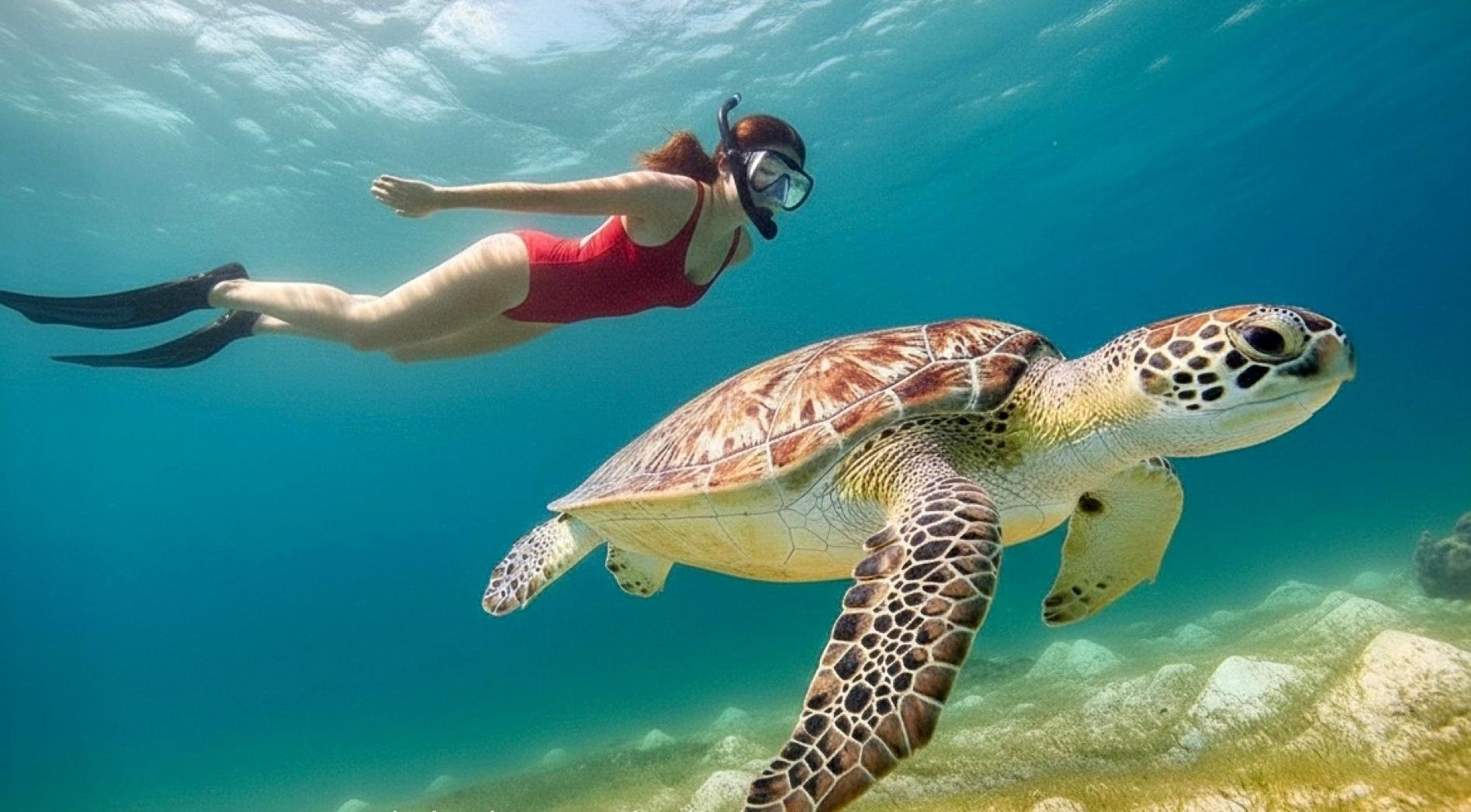
Home to tropical fish and occasionally sea turtles
The primary staging point for snorkeling bali blue lagoon water entry
You arrive at Padangbai harbour just after sunrise, when the water holds its overnight stillness and the first light catches the bay's turquoise gradient.
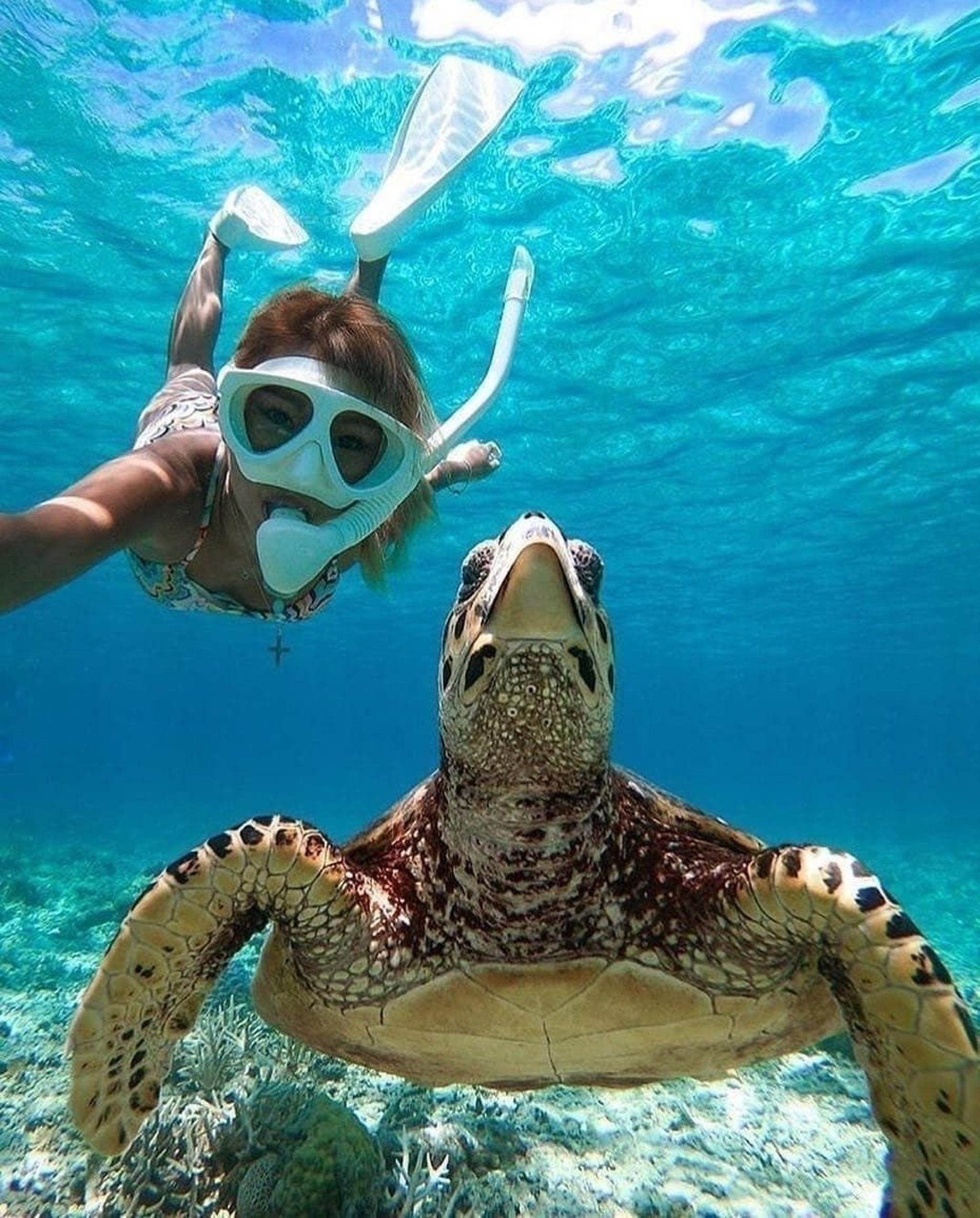
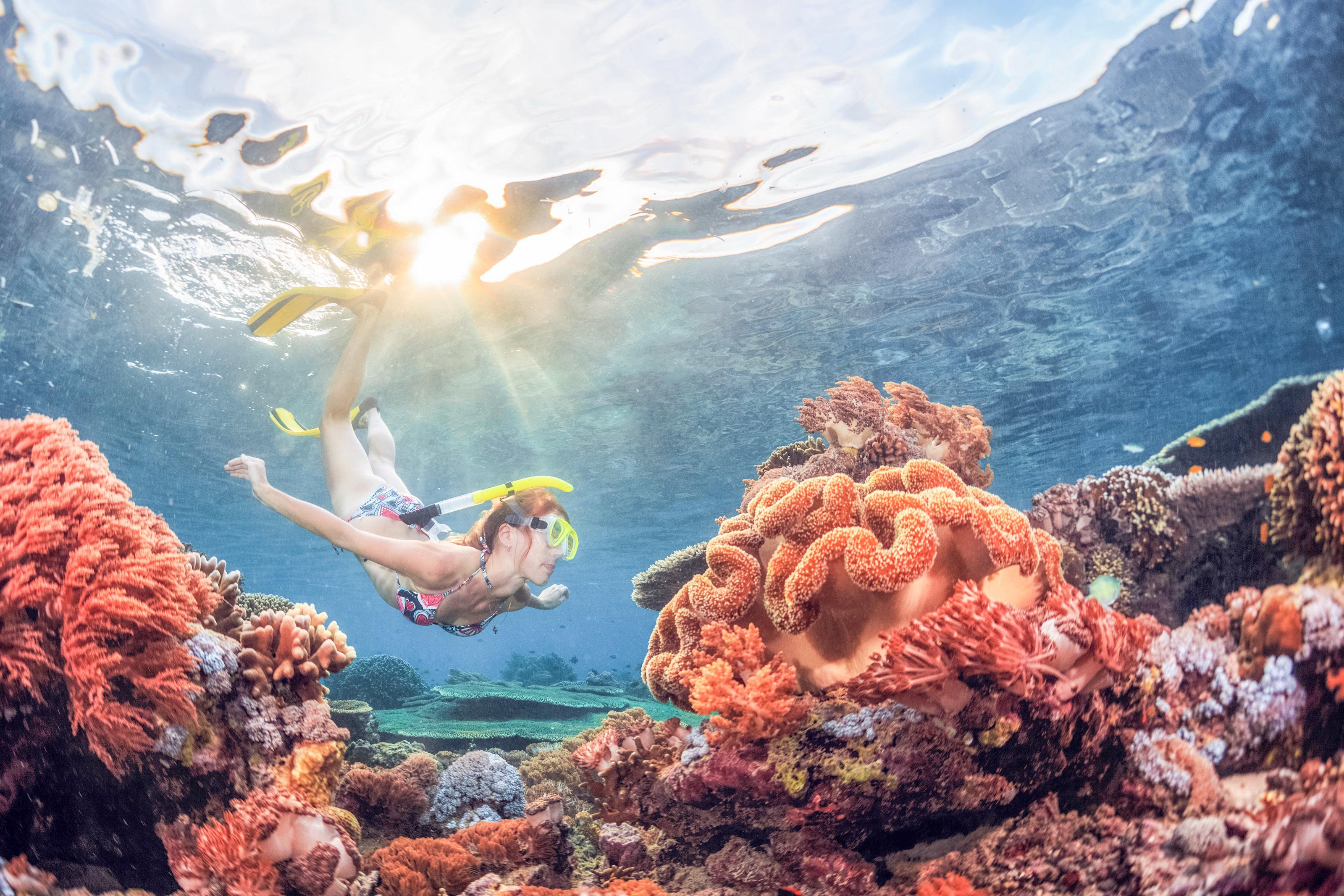
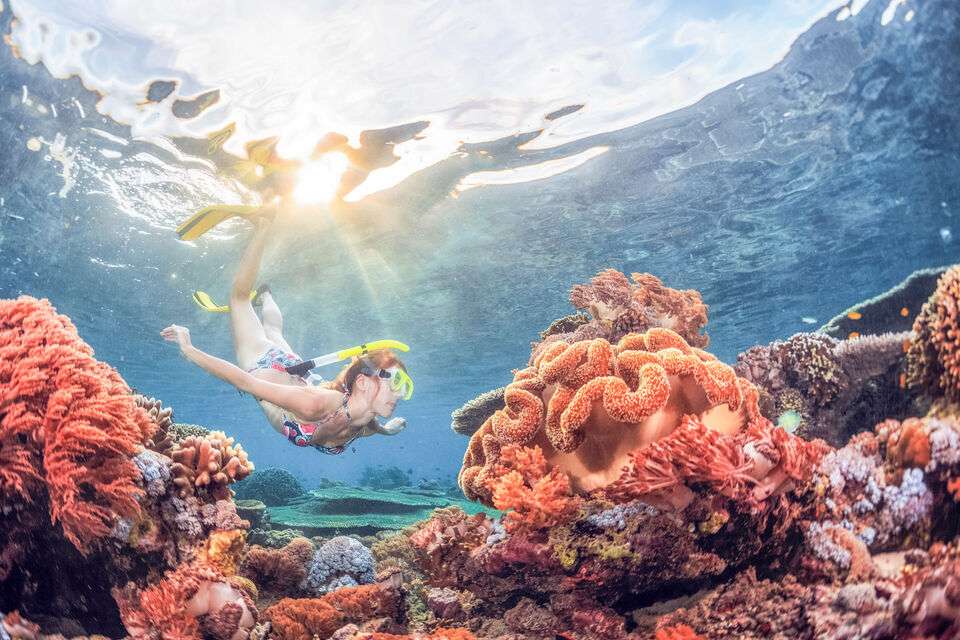
The five-minute walk south along the coastal path brings you to Blue Lagoon's crescent beach, where outrigger boats rest on black sand and the reef line shows as a darker shadow 50 metres offshore. You wade in from the beach, mask and fins already on, the water warm and shallow enough to stand. At 20 metres out the coral heads begin — staghorn clusters in the shallows, then brain corals the size of boulders as the depth reaches four metres.
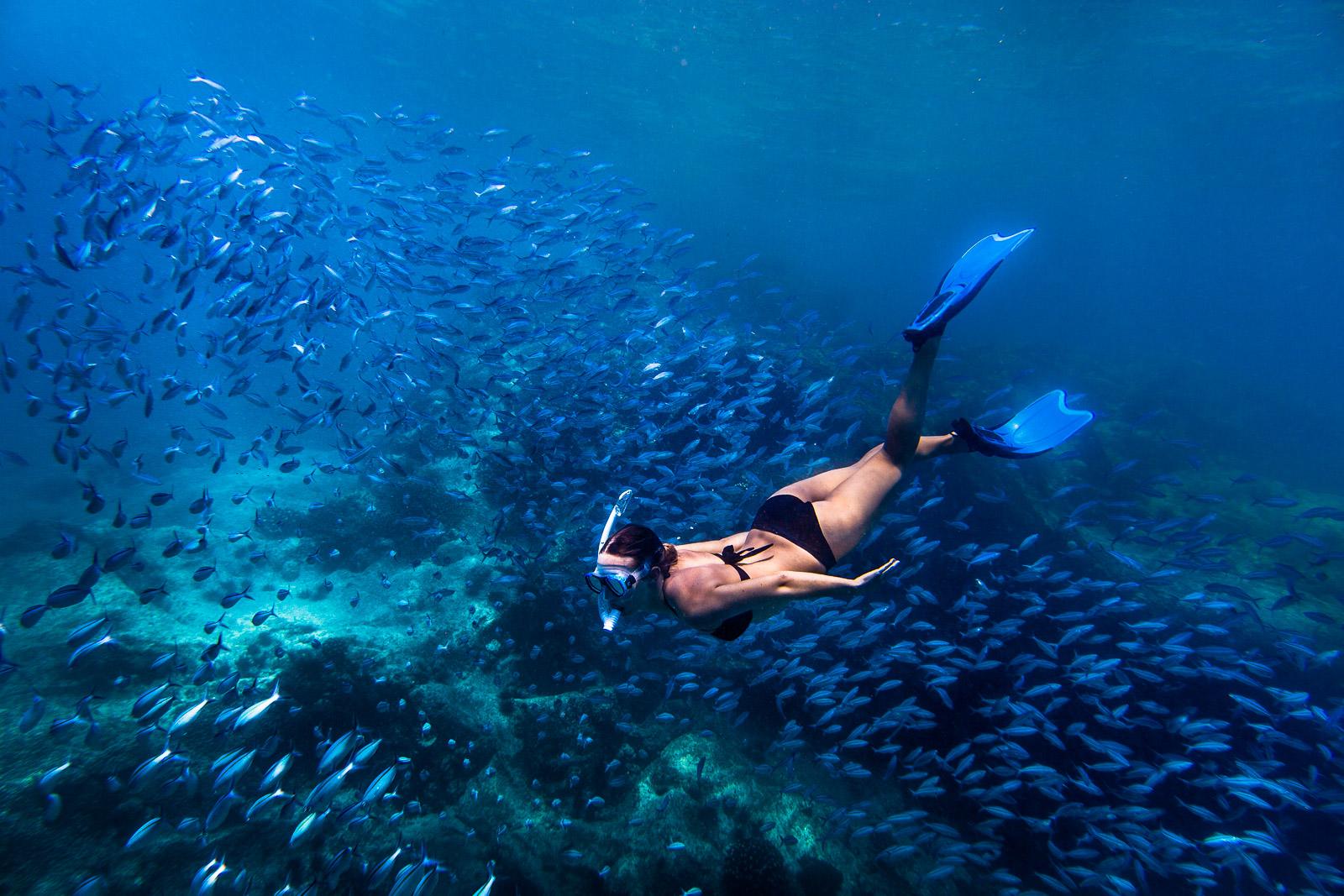
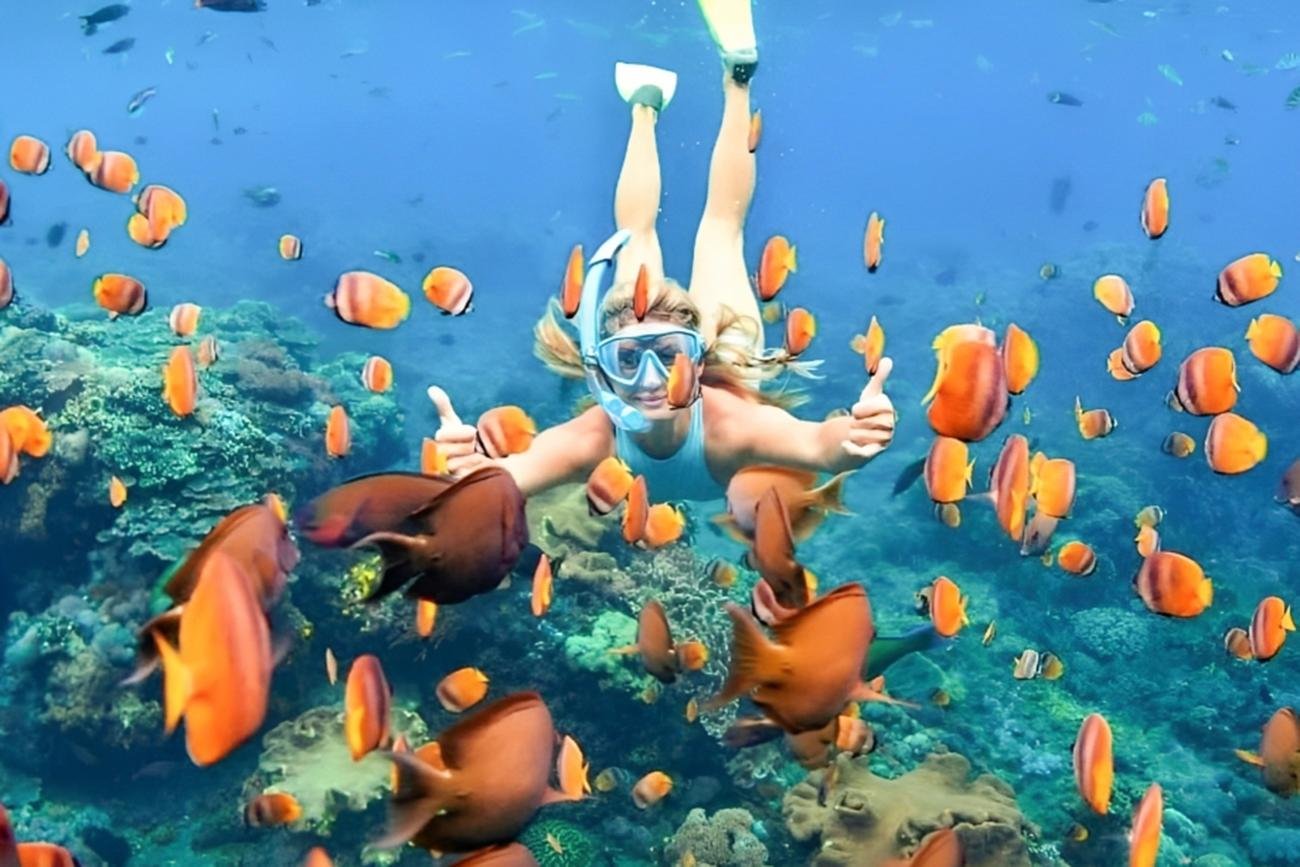
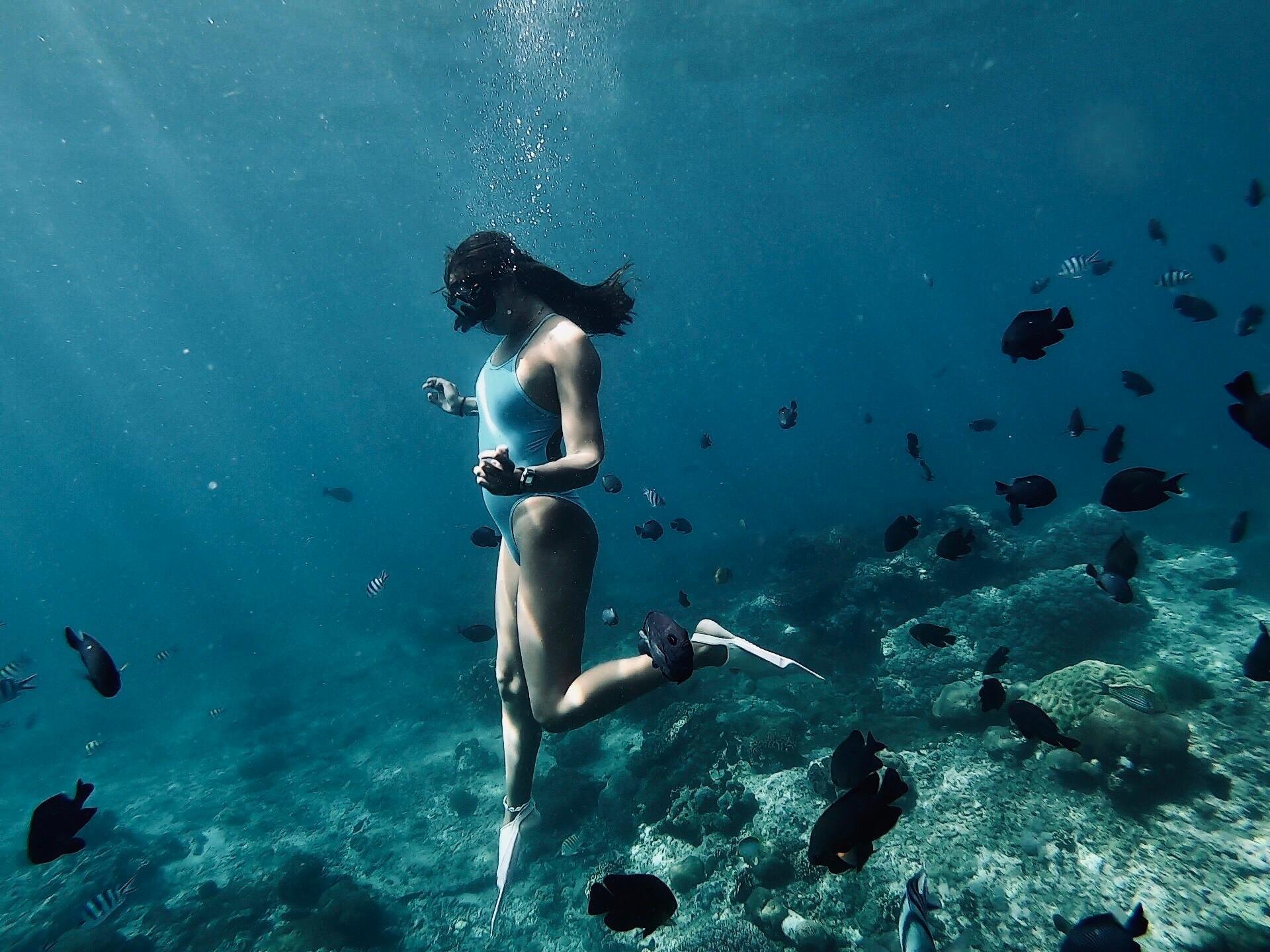
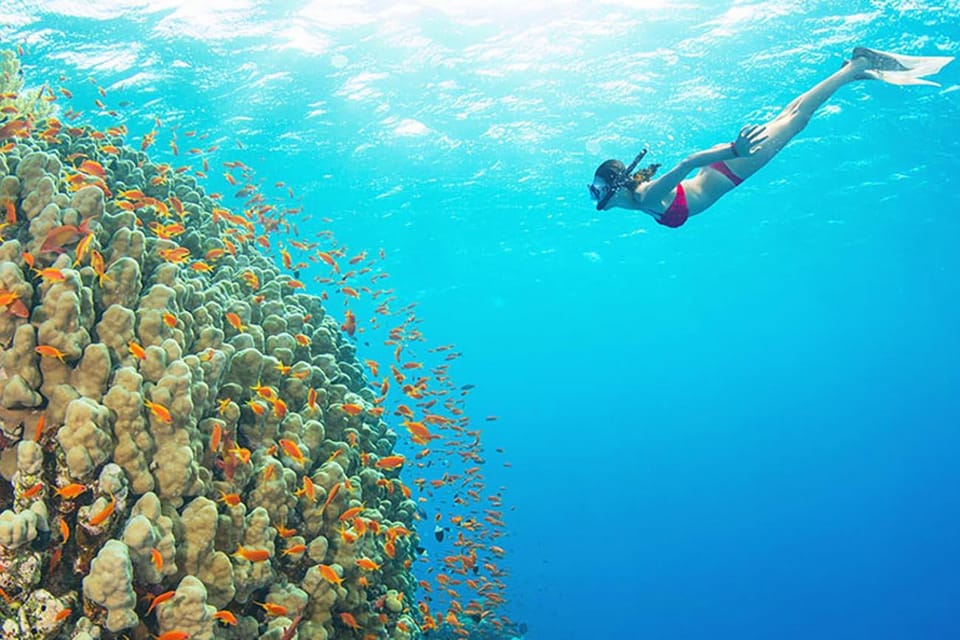
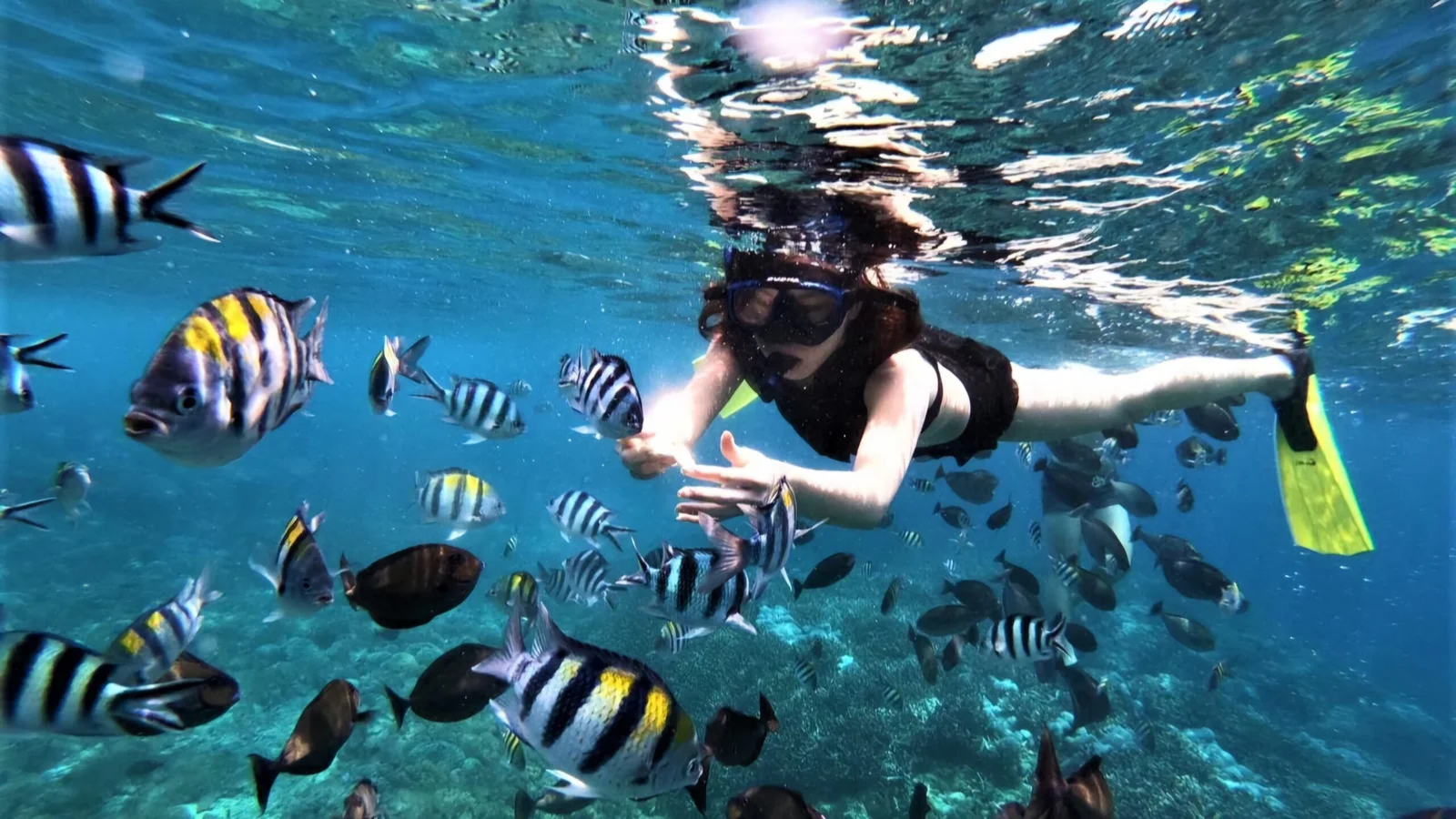
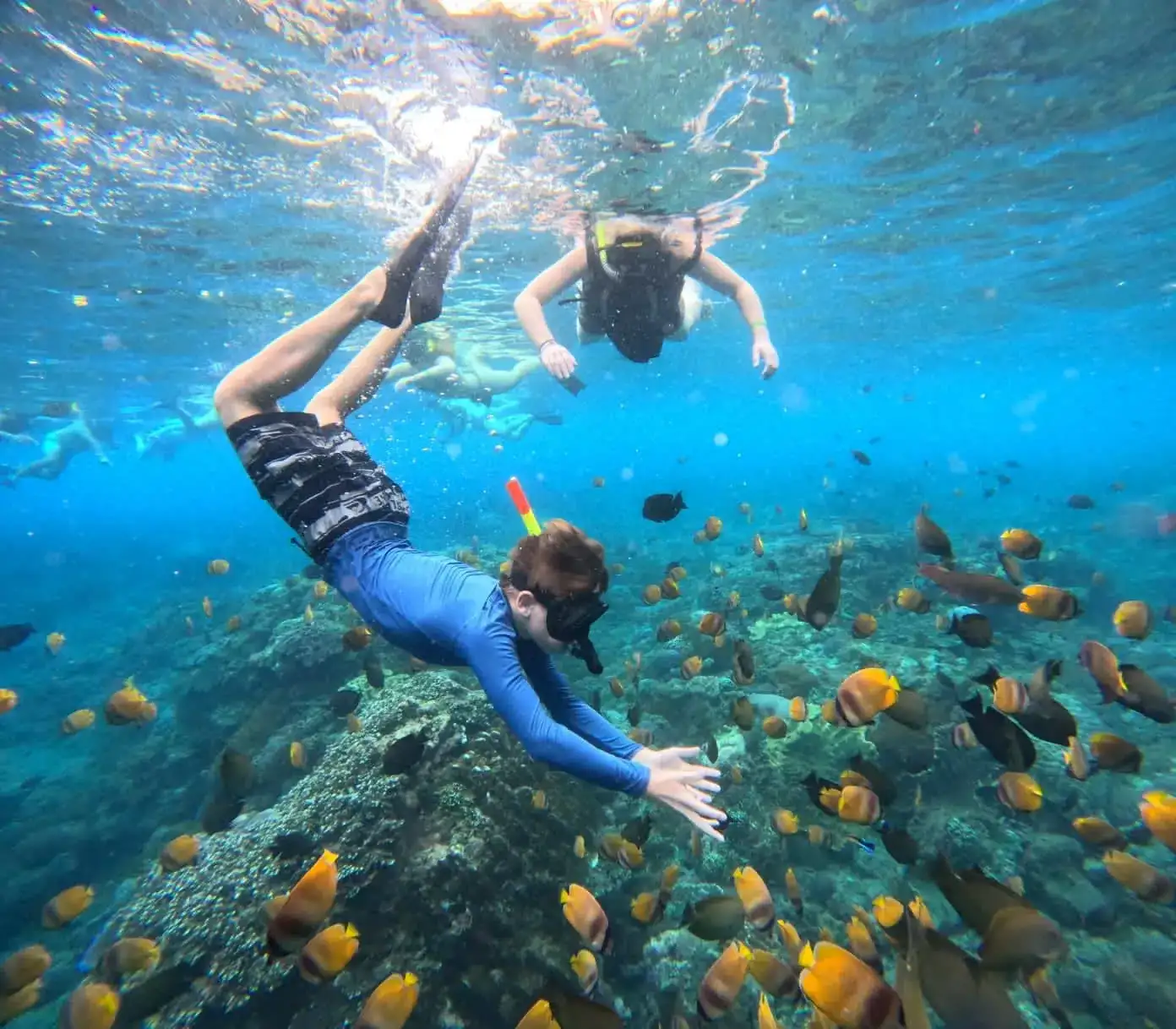
You drift with the current along the reef slope, following schools of sergeant majors and yellow-striped snappers that move in synchronized pulses. A blue-spotted stingray lifts from a sand patch, its wings undulating as it glides to deeper water. The coral density peaks around the 30-minute mark, where sea fans tilt into the current and parrotfish graze on algae-covered rock. You surface to check your position — the beach has receded to 80 metres — then dive back to follow a school of blue fusiliers threading through the coral canyons. By the time you return to shore the sun has climbed high enough to flatten the water's colour, and the first tour boats are arriving from Sanur.
All the details about your upcoming adventure in one place
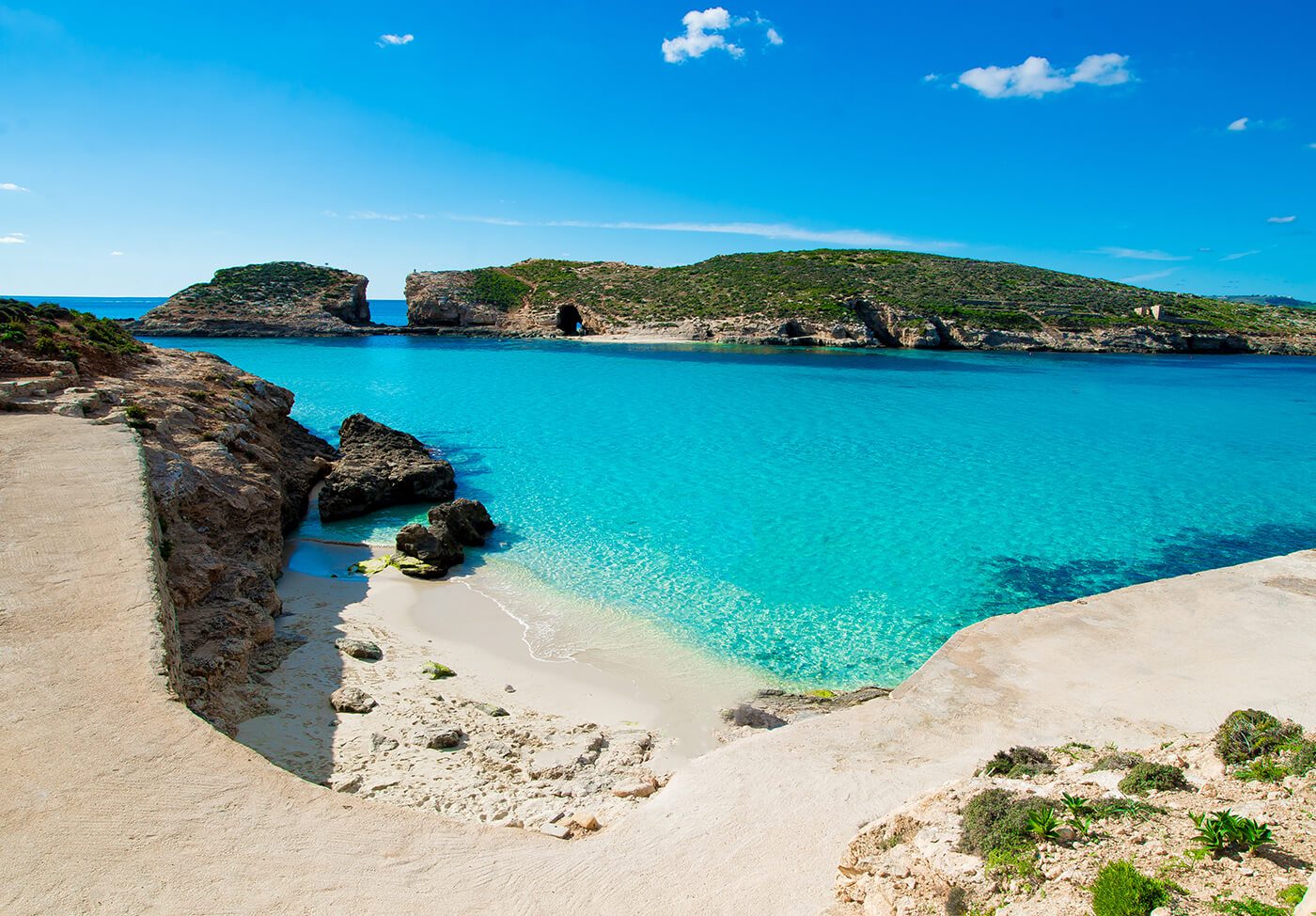
Blue Lagoon sits 200 metres from Padangbai's harbour mouth, its crescent bay sheltered by volcanic headlands that calm the Lombok Strait's currents into a near-lagoon clarity.
The reef system here formed over millennia as cold upwellings from the deep Badung Strait met warm surface currents, creating nutrient-rich conditions that support over 300 coral species and an estimated 500 fish species. Local conservation groups have maintained artificial reef structures since 2018, accelerating coral regeneration in areas damaged by the 2016 bleaching event.
Padangbai's role as a ferry port to Lombok and the Gili Islands has paradoxically preserved Blue Lagoon's marine ecology. Commercial fishing vessels avoid the shallow bay, and the village's economy pivoted to low-impact dive tourism in the early 2000s. Today the site operates under a community-managed marine protected area framework, with dive operators funding regular reef surveys and debris removal. Visibility averages 12 to 18 metres depending on season, with the clearest water from April through October when southeast trade winds push surface plankton offshore.
The reef structure divides into three zones. The nearshore shallows, two to four metres deep, host staghorn and table corals that serve as nurseries for juvenile parrotfish, damselfish, and wrasse. The mid-reef slope, four to eight metres, features brain corals and sea fans interspersed with sandy channels where blue-spotted stingrays rest. The outer reef edge drops sharply to 15 metres, attracting pelagic visitors including schooling jacks, occasional reef sharks, and seasonal manta rays during the September-to-November plankton bloom. Snorkelers typically explore the nearshore and mid-reef zones, where the coral density and fish activity peak between dawn and mid-morning before the daily easterly wind picks up.
Blue Lagoon's proximity to Padangbai village — a five-minute walk from the main ferry terminal — has made it East Bali's most accessible reef dive site. The absence of an entrance fee reflects the village's cooperative management model, which prioritizes community access over tourism revenue extraction. Small warungs line the beach, and the adjacent Bias Tugel Beach offers a secondary snorkeling site with softer sand and fewer currents, ideal for first-time snorkelers or those seeking calmer conditions.

Visibility averages 12 to 18 metres depending on season, with the clearest water from April through October when southeast trade winds push surface plankton offshore.
Visitors should wear swimwear and water shoes to protect feet from coral and volcanic rocks when visiting snorkeling bali blue lagoon.
Keep valuables to a minimum as there are no official lockers at snorkeling bali blue lagoon. Use waterproof dry bags for personal items while participating in snorkeling bali blue lagoon tours.
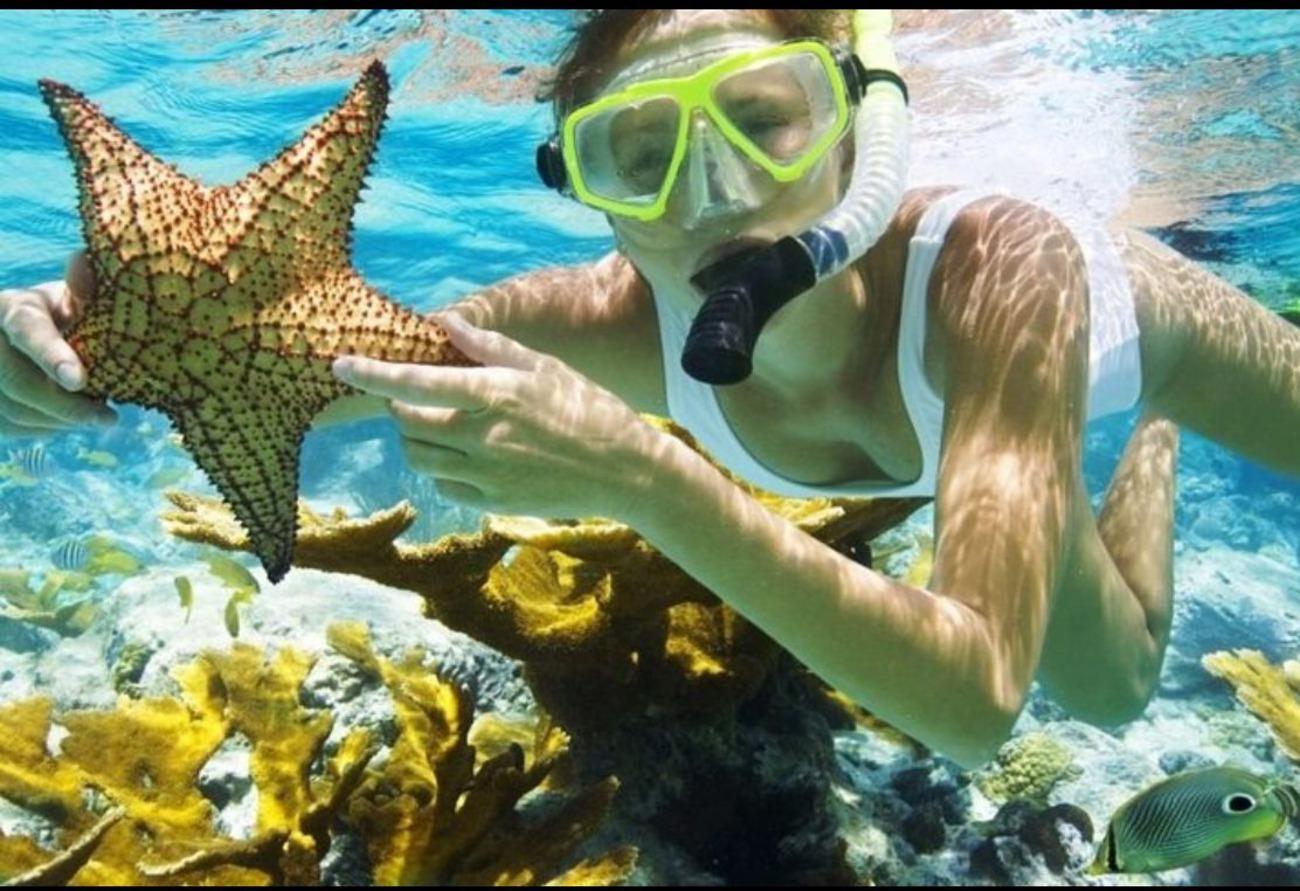
Underwater cameras are recommended to capture the marine biodiversity found during your snorkeling bali blue lagoon tour. Please avoid touching or standing on coral structures to get a closer photograph.
Families should supervise children closely near the water due to the natural coral environment. Ensure younger swimmers wear appropriate flotation devices during their snorkeling bali blue lagoon experience.
Access to the water at snorkeling bali blue lagoon requires walking down a stone staircase and navigating a pebble beach. The site is not wheelchair accessible.
Visitors may bring light snacks and water but must remove all trash. Local warungs near the beach entrance offer refreshments and dining options.
Opening Hours
06:00–18:00
Address
FGC7+38M, Padangbai, Manggis, Karangasem Regency, Bali 80871, Indonesia
Accessibility
Natural beach terrain with rocky entry points
Best Window
06:00–10:00
Storage
Limited secure facilities available locally
Navigation
Accessible via Padangbai village path
Taxi · 60–90 minutes · Variable based on location
Direct transfer to Padangbai from major hubs
Car · 60–90 minutes · Small parking fee applicable
Parking available near the entrance
Full refunds are typically available for snorkeling bali blue lagoon tours if cancelled 24 hours prior to the scheduled start. No entrance fee of 0 IDR applies as entry is free, though local parking fees may be collected by operators.
Recommended time
3-4 hours
A visit to this coastal destination typically requires a few hours to fully explore the vibrant coral reefs and observe diverse marine life. Engaging in snorkeling bali blue lagoon tours during the early morning ensures you encounter the clearest water conditions before the mid-day arrival of larger groups. Most travelers find that half a day allows enough time to rent gear and relax on the shore without feeling rushed by the shifting tides or rising humidity levels. Since formal snorkeling bali blue lagoon tickets are not required, you can manage your own pace easily, though booking a snorkeling bali blue lagoon tour can simplify equipment logistics and transport.
Crowd levels through the day
Weather · crowds · average price — dots go green to amber to red as each metric rises.
Dry season offers optimal water visibility and calm sea conditions for snorkeling bali blue lagoon. September provides pleasant temperatures for coastal activities.
Occasional monsoon rains may reduce visibility, though snorkeling bali blue lagoon remains accessible on clear mornings.
High tide usually provides the best water access and safety for snorkeling bali blue lagoon. Consult local tide tables before your departure.
Arriving at 06:00–10:00 ensures you experience the best water clarity and avoid the midday heat. This arrival window is ideal for snorkeling bali blue lagoon enthusiasts.
Use reef-safe sunscreen to protect marine life during your snorkeling bali blue lagoon session. Intense tropical sun requires high-factor protection.
Blue Lagoon—Tanjung Jepun in Balinese—began as a modest fishing cove on Padangbai's eastern flank, sheltered by volcanic headlands that had funneled Lombok Strait currents into calm shallows for centuries. In the 1970s, when Indonesia opened to leisure travel, a handful of dive operators from Sanur and Candidasa noticed the cove's steep drop-off and resident reef fish. By 1982, German and Dutch instructors had established the first informal snorkeling routes along the western wall, marking entry points with painted rocks. The lagoon remained a quiet annex to Padangbai's ferry terminal until the mid-1990s, when budget guesthouses multiplied along Jalan Silayukti and word spread through backpacker circuits. In 1998, a consortium of village elders formalized access by designating the beach communal property and levying a nominal parking fee to fund waste collection. The 2002 Bali bombings initially deterred visitors, but recovery was swift; by 2004, daily arrivals exceeded two hundred. In 2011, the Karangasem regency installed the first concrete steps and a basic toilet block, inadvertently accelerating foot traffic that damaged shallow coral tables. Marine biologists from Udayana University documented a forty-percent decline in hard coral cover between 2012 and 2015, prompting local dive shops to rope off regeneration zones and distribute reef-safe sunscreen. The 2020 pandemic closure allowed partial recovery; surveys in 2022 recorded new Acropora recruitment along the southern slope. Today, snorkeling Bali Blue Lagoon draws operators offering guided snorkeling Bali Blue Lagoon tours from dawn, yet the site remains free to enter, sustained by a fragile balance between subsistence fishing families, reef stewardship groups, and the ten thousand annual snorkelers who descend the worn basalt steps each year.
German and Dutch dive instructors scout Padangbai's eastern coves for calm-water training sites.
First informal snorkeling routes marked along Blue Lagoon's western wall with painted rocks.
Village elders designate the beach communal property and introduce a parking fee for waste management.
Visitor numbers rebound swiftly after the Bali bombings, surpassing two hundred daily arrivals by 2004.
Karangasem regency installs concrete steps and a toilet block, accelerating foot traffic and coral damage.
Udayana University documents forty-percent hard coral decline, prompting dive shops to establish regeneration zones.
Pandemic closure allows partial reef recovery; new Acropora colonies recorded along the southern slope in 2022.
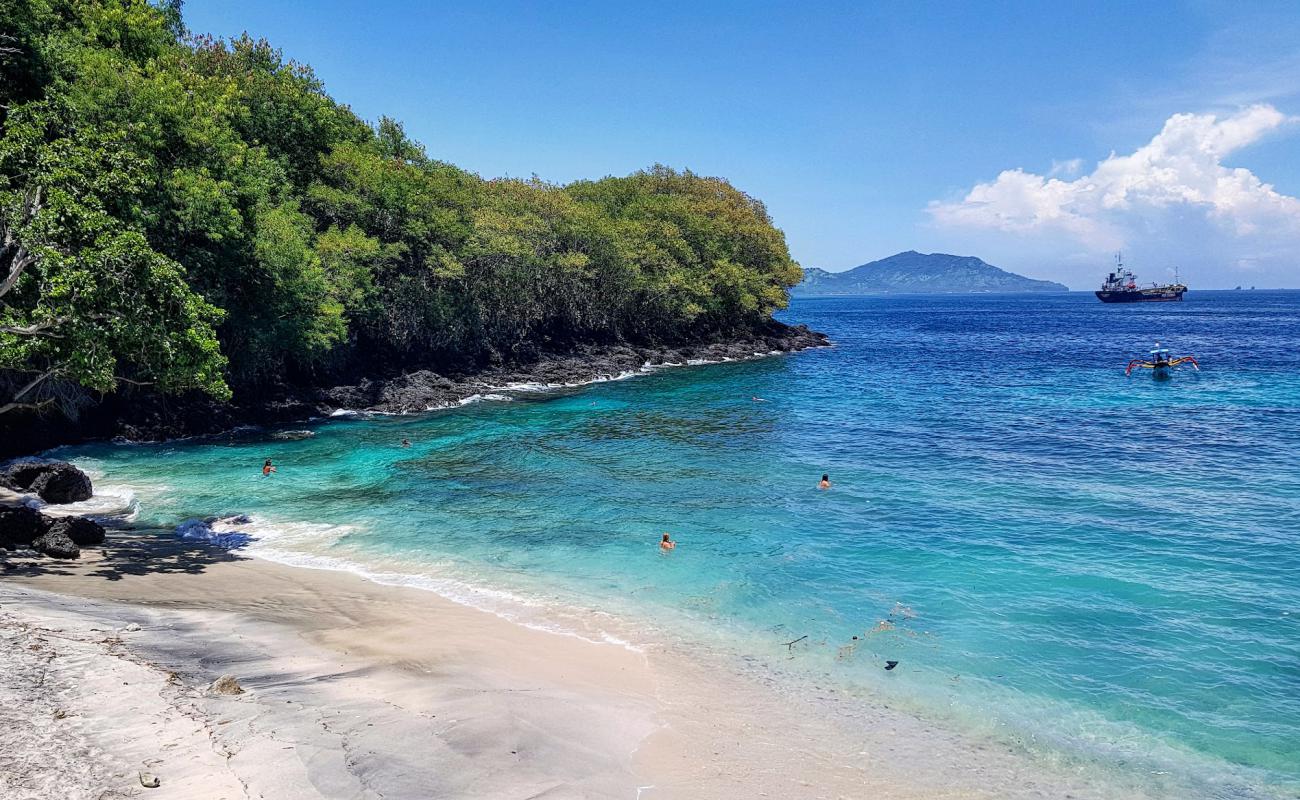
Position yourself on the sandy bank facing the turquoise water to capture the contrast between the dark volcanic rocks and the vibrant reef below during snorkeling bali blue lagoon.
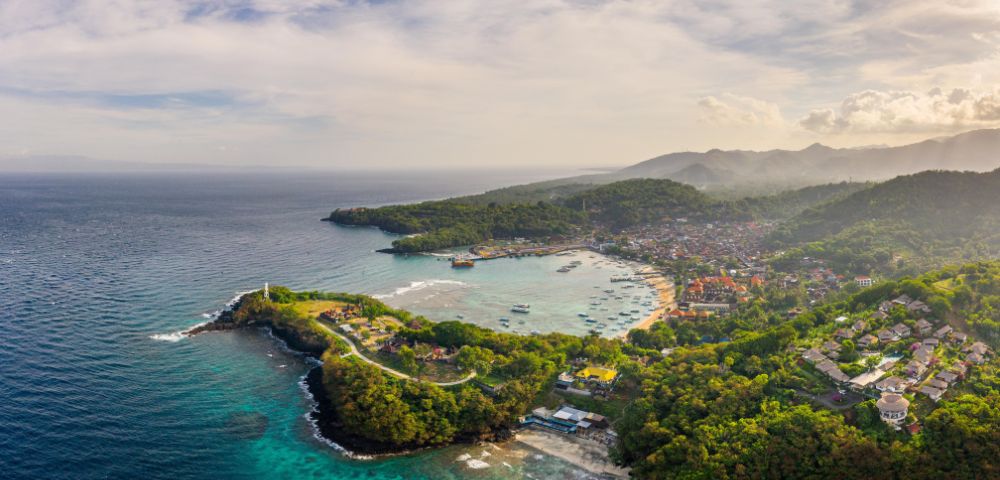
Follow the path leading north from the beach for an elevated perspective overlooking the entire bay and coral gardens; this is a favorite for snorkeling bali blue lagoon tours.
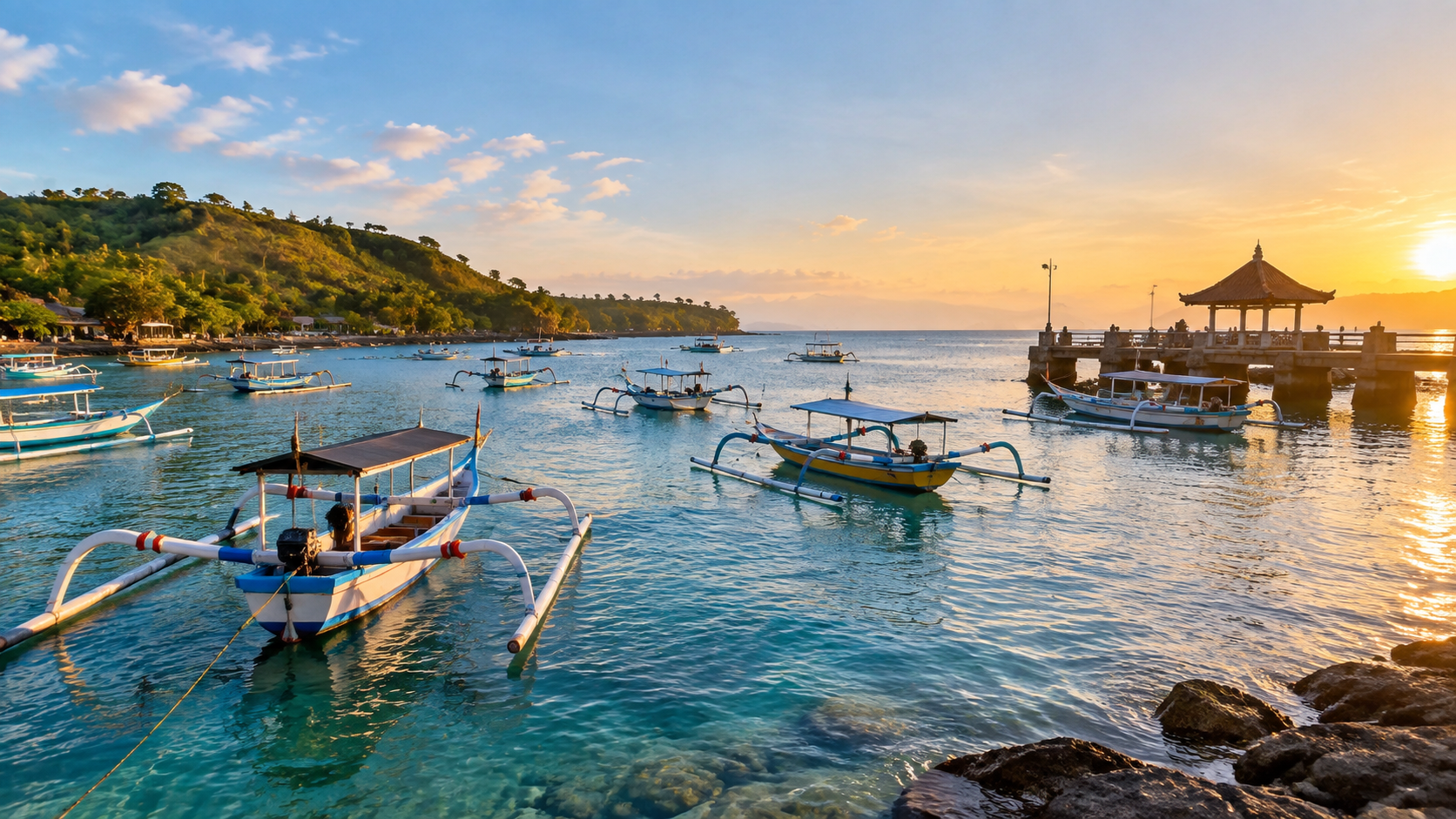
Capture the traditional wooden outrigger boats bobbing in the harbor with the calm, clear sea in the background; ideal for those interested in a snorkeling bali blue lagoon tour.
Stand on the ridge overlooking the southern edge of the lagoon to photograph the deep blue water transition; ensure you have pre-booked your snorkeling bali blue lagoon tickets for harbor access.
Visiting when snorkeling bali blue lagoon offers families calm, shallow waters and vibrant marine life, making it a manageable spot for children to explore the ocean. Arriving during the best arrival window of 06:00–10:00 ensures you avoid the midday heat and peak crowds, providing a more relaxed experience for younger swimmers.
Using a private traditional jukung boat provides a safer and more flexible experience for families, as captains can guide you directly to the best snorkeling bali blue lagoon tours spots.;Equipment
Finding a meal near snorkeling bali blue lagoon is straightforward, as the beach hosts several local warungs perfect for replenishing energy after time in the water. Most venues offer casual beachfront seating, allowing you to enjoy fresh seafood while reviewing your underwater photos from a typical snorkeling bali blue lagoon tour.
Located directly above the cove, this spot serves grilled fish and refreshing coconut water. It is ideal for a quick lunch after booking your snorkeling bali blue lagoon tickets.
Everything you need to know for your journey
The area is open from 06:00–18:00 every day.
The entrance fee is 0 IDR, though a small parking fee may be applicable per vehicle.
The best arrival window is 06:00–10:00 to enjoy the best water clarity before midday heat.
Families are welcome, but children should be supervised and wear flotation devices.
You can often book snorkeling bali blue lagoon tours through local operators in Padangbai.
You can reach the site by car or taxi to the address FGC7+38M in Padangbai.
Bring a waterproof camera, reef-safe sunscreen, water shoes, and a dry bag for your snorkeling bali blue lagoon experience.
There are no formal locker facilities, so keep your belongings to a minimum.
Yes, photography is encouraged, but please do not touch the coral while snorkeling bali blue lagoon.
The site involves walking down a staircase and is not considered wheelchair accessible.
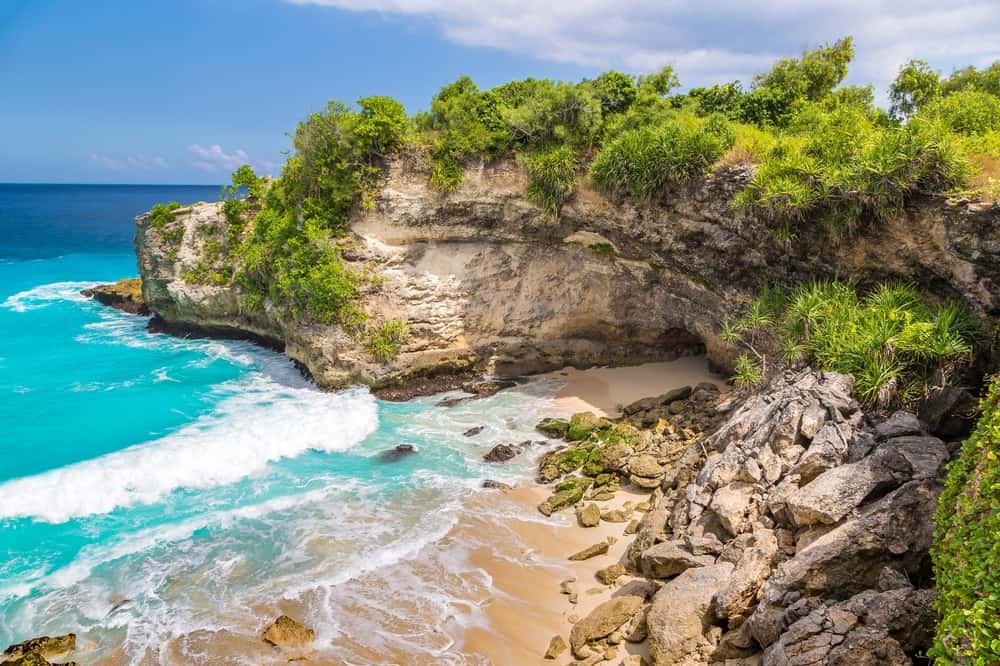
A secluded cove featuring white sand and strong currents. It provides a different landscape compared to snorkeling bali blue lagoon sites.
A busy hub for ferry departures to Lombok and Gili islands. Watch the traditional boat activity from the harbor edge.
Coastal lodging near the port area
Hillside resort overlooking the bay area
Simple guesthouse options in the village
Join thousands of happy travelers who have discovered this incredible experience
Book Your Experience Now