
2 hr
Nusa Penida Snorkeling & West Coast Adventure
- Entry ticket
- Mobile voucher
- Valid same day
- Free cancellation
Snorkeling Bali Nusa Penida — Manta Point & Crystal Bay Access
Drift past manta rays and coral walls, where the Lombok Strait meets limestone cliffs
Compare fares, pick the fit — all bookings are mobile-voucher and eligible for free cancellation where shown.
2 hr
6 hr
9 hr
Choosing the right snorkeling bali nusa penida package depends on whether you seek a simple water-focused trip or an integrated island excursion. These options represent standard boat-based access to the island's premier marine sites.
| Shared Open Trip Local Boat Tour |
Top pick Private Charter Exclusive Vessel |
|
|---|---|---|
| Duration | 3–5 hours | 4–8 hours |
| Marine Access | Public boat access | Private boat access |
| Typical Stops | 3–4 snorkeling sites | Customizable route/speed |
| Booking Flexibility | Fixed schedule | Flexible timing |
| Best for | Budget-conscious travelers | First-timers seeking privacy |
| See tickets & prices |
Verdict: For a personalized experience, choose the private snorkeling bali nusa penida tour to avoid the crowds at the most popular marine zones.
Worth it for manta encounters and pristine reefs
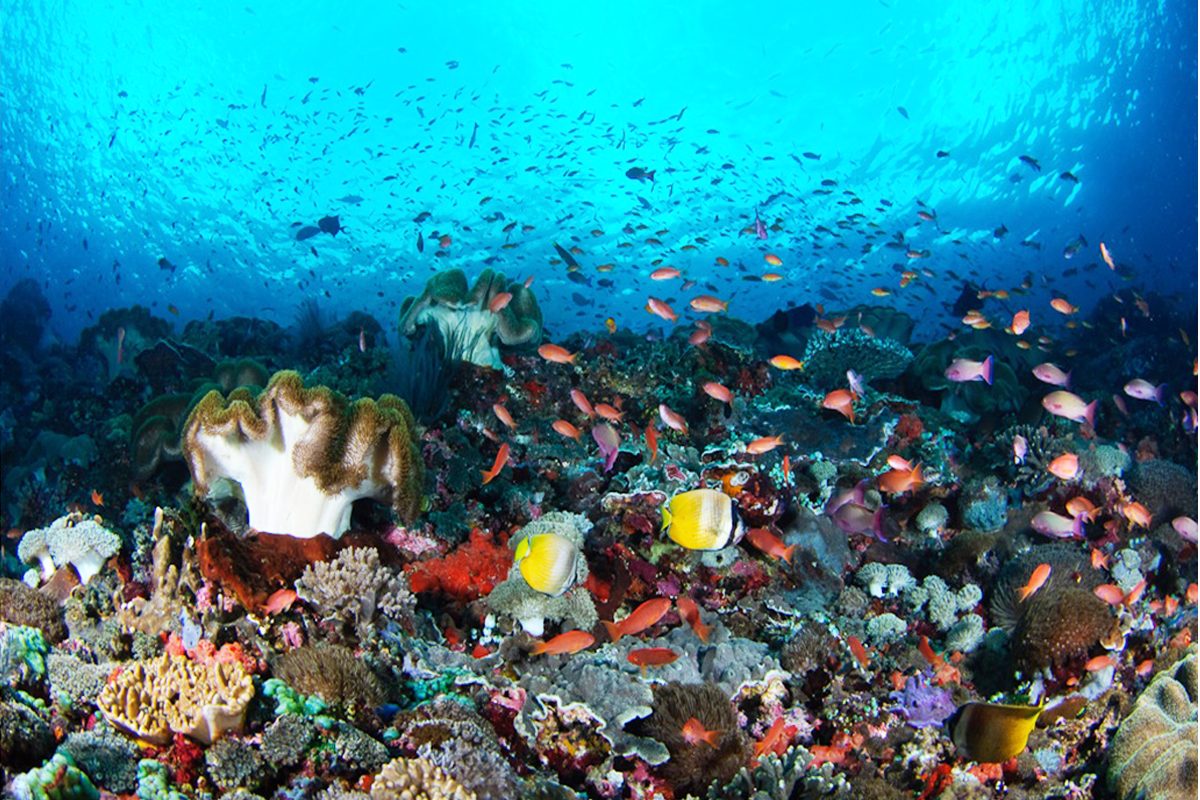
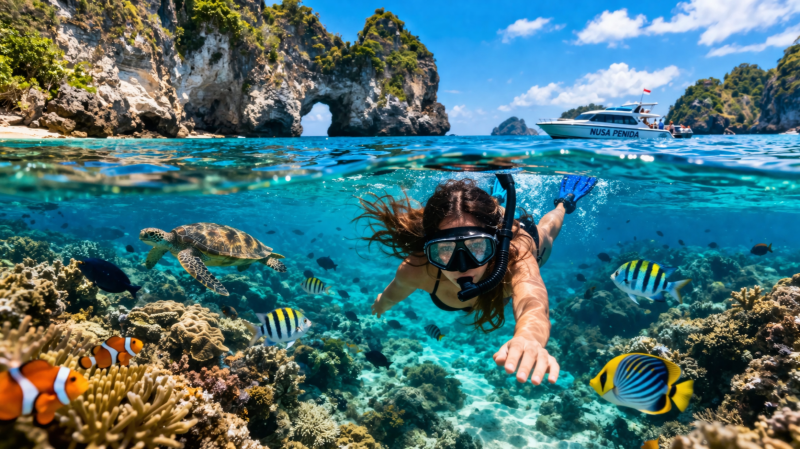
Snorkeling bali nusa penida delivers rare access to manta rays at Manta Point alongside crystal-clear reef sites like Crystal Bay and Gamat Bay—ecosystems largely absent from mainland Bali's busier shores. Tours bundle boat transfers, equipment, and multiple stops, with group options starting around 650,000–850,000 IDR and private charters scaling to 1,800,000 IDR. The value hinges on biological payoff: manta sightings peak during the April–October season when plankton blooms draw resident populations close to shore, while visibility routinely exceeds 15 meters at protected bays. For snorkelers prioritizing pelagic encounters over convenience, snorkeling bali nusa penida tours justify the crossing and 25,000 IDR island entry fee. Casual swimmers content with shallow coral may find the boat ride and seasonal variability excessive, but anyone chasing manta point snorkeling bali nusa penida gets access to one of Southeast Asia's most reliable ray aggregation zones without liveaboard logistics.
Bottom line: If manta rays and pristine coral justify the crossing and seasonal timing, snorkeling bali nusa penida tickets deliver an encounter mainland reefs cannot match.
They complement each other; most visitors who do both call Nusa Penida the more thrilling destination for marine wildlife encounters, while Nusa Lembongan offers a relaxed, beginner-friendly alternative for snorkeling bali nusa penida tours.
|
Top pick Nusa Penida |
Nusa Lembongan | |
|---|---|---|
| Marine life | Manta rays and pelagics | Tropical fish and reef life |
| Sea conditions | Often rough swells | Generally calm waters |
| Adventure level | High and demanding | Relaxed and accessible |
| Shore access | Limited to specific bays | Easy beach-side entry |
| Island vibe | Rugged and dramatic | Laid-back and compact |
| Tour duration | Full-day intensive trips | Flexible half-day trips |
| Primary focus | Underwater photography and adventure | Coral reefs and casual swimming |
| See tickets & prices |
Verdict: Choose Nusa Penida if you seek dramatic manta ray encounters, or opt for Nusa Lembongan to enjoy a more leisurely snorkeling bali nusa penida tour with easier logistical access.
Hand-picked experiences loved by thousands of travelers
8 hours
Free Cancellation
Explore dramatic cliffs, pristine beaches, and iconic natural landmarks across both coasts of Nusa Penida
3 - 9 hours
Free Cancellation
Swim with manta rays at one of Bali's premier snorkeling sites, with optional coastal cliff exploration
9 hours
Free Cancellation
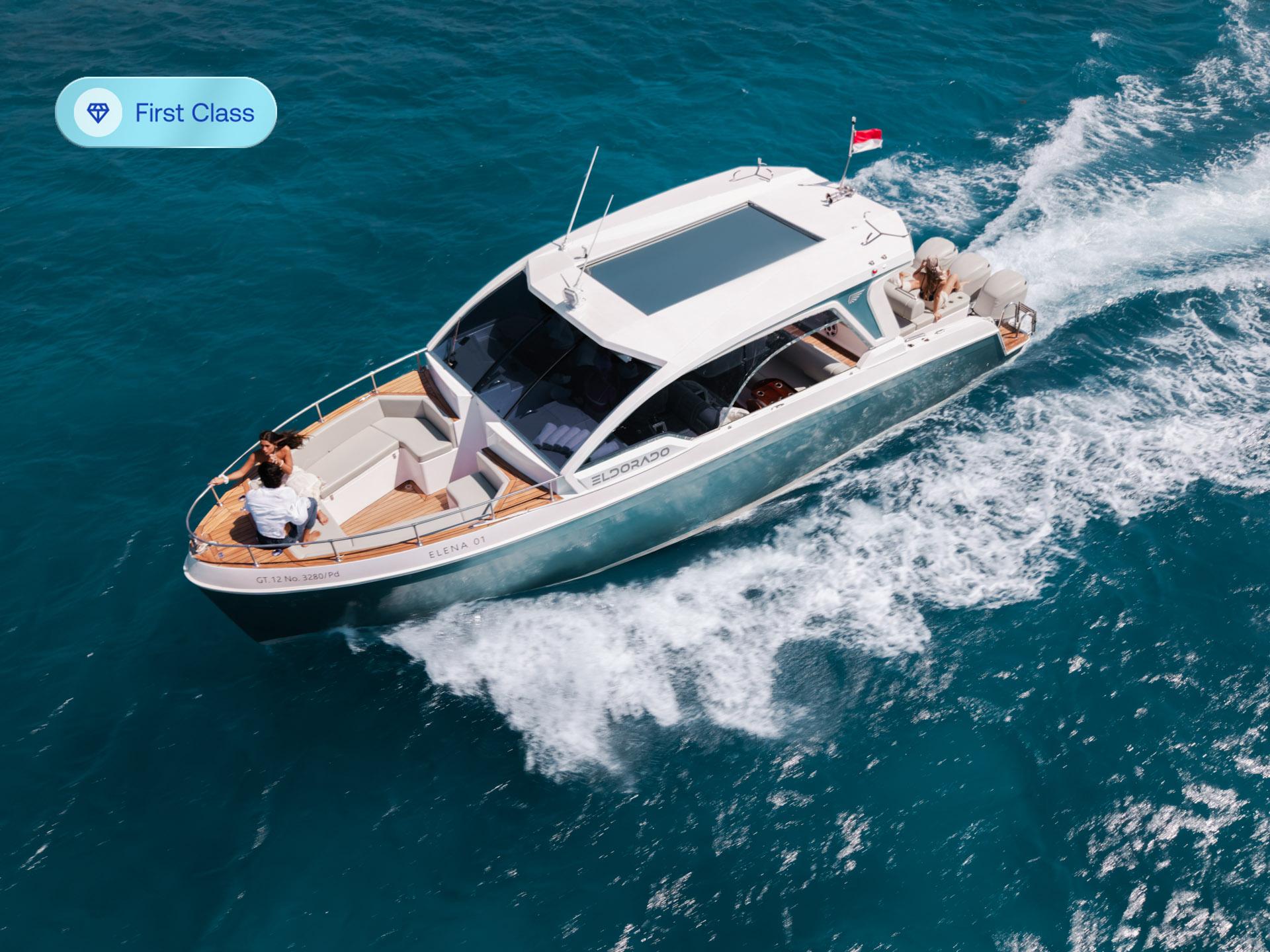
Sail on a luxury 2026 yacht to swim with mantas, visit Kelingking Beach, and lunch at a beachfront club
6 hours
Free Cancellation
Explore three spectacular snorkel sites around Nusa Lembongan and Penida with marine life encounters
6 - 9.5 hours
Free Cancellation
Snorkel three pristine sites, encounter gentle giant manta rays, and explore mangrove waterways by kayak
8 - 10 hours
Free Cancellation
Discover dramatic cliffs, pristine beaches, and iconic viewpoints on this comprehensive island adventure
5-7 hours
Free Cancellation
Discover four pristine snorkeling sites around Nusa Penida, swim with manta rays, and explore vibrant coral gardens.
8 hours 30 minutes
Free Cancellation
Full-day private yacht cruise to Nusa Penida with snorkeling, manta ray encounters, and Kelingking viewpoint
You board a fiberglass outrigger at Sanur Beach before 07:00, crossing the Badung Strait as the sun clears Gunung Agung's eastern slopes.
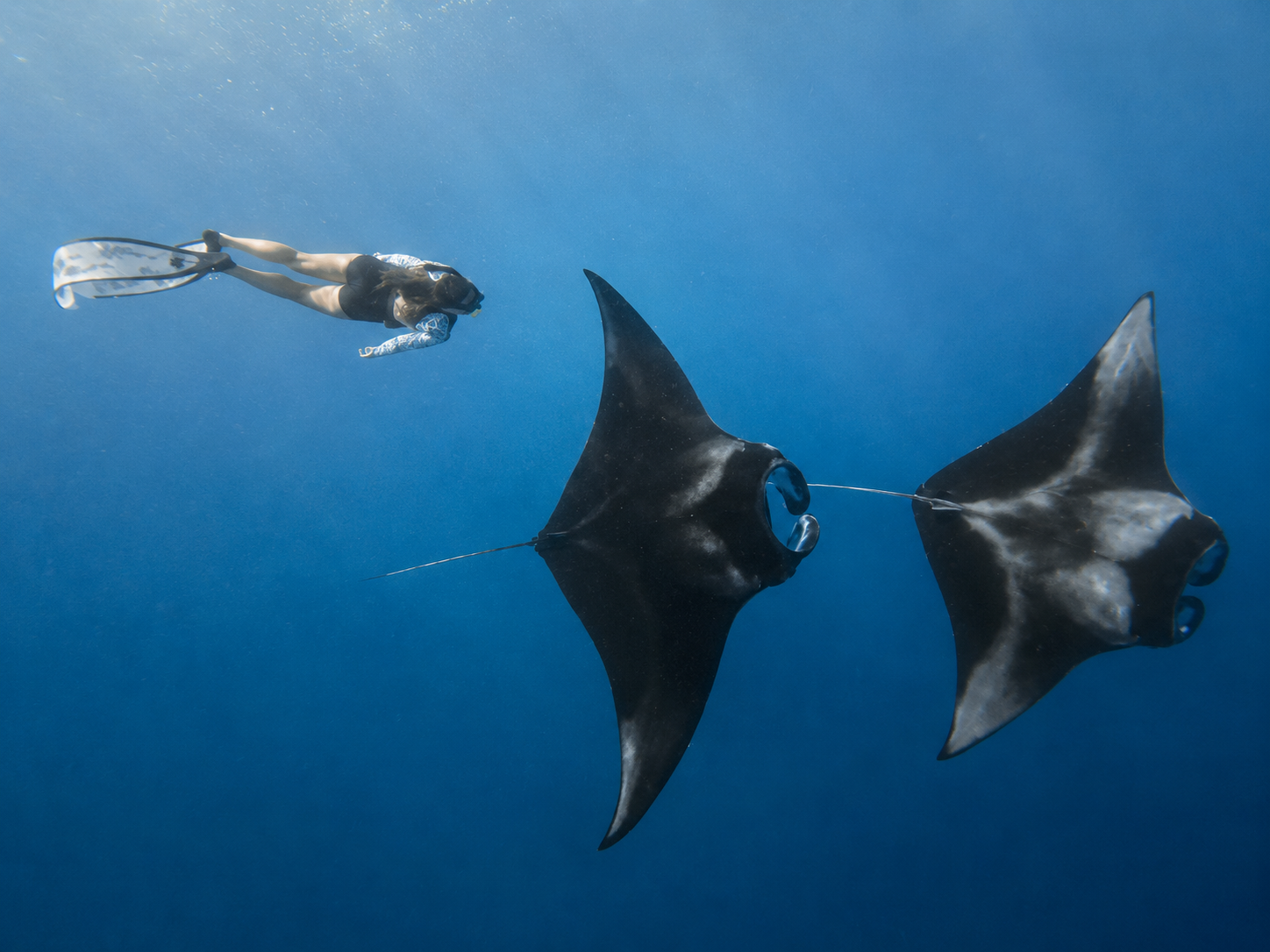
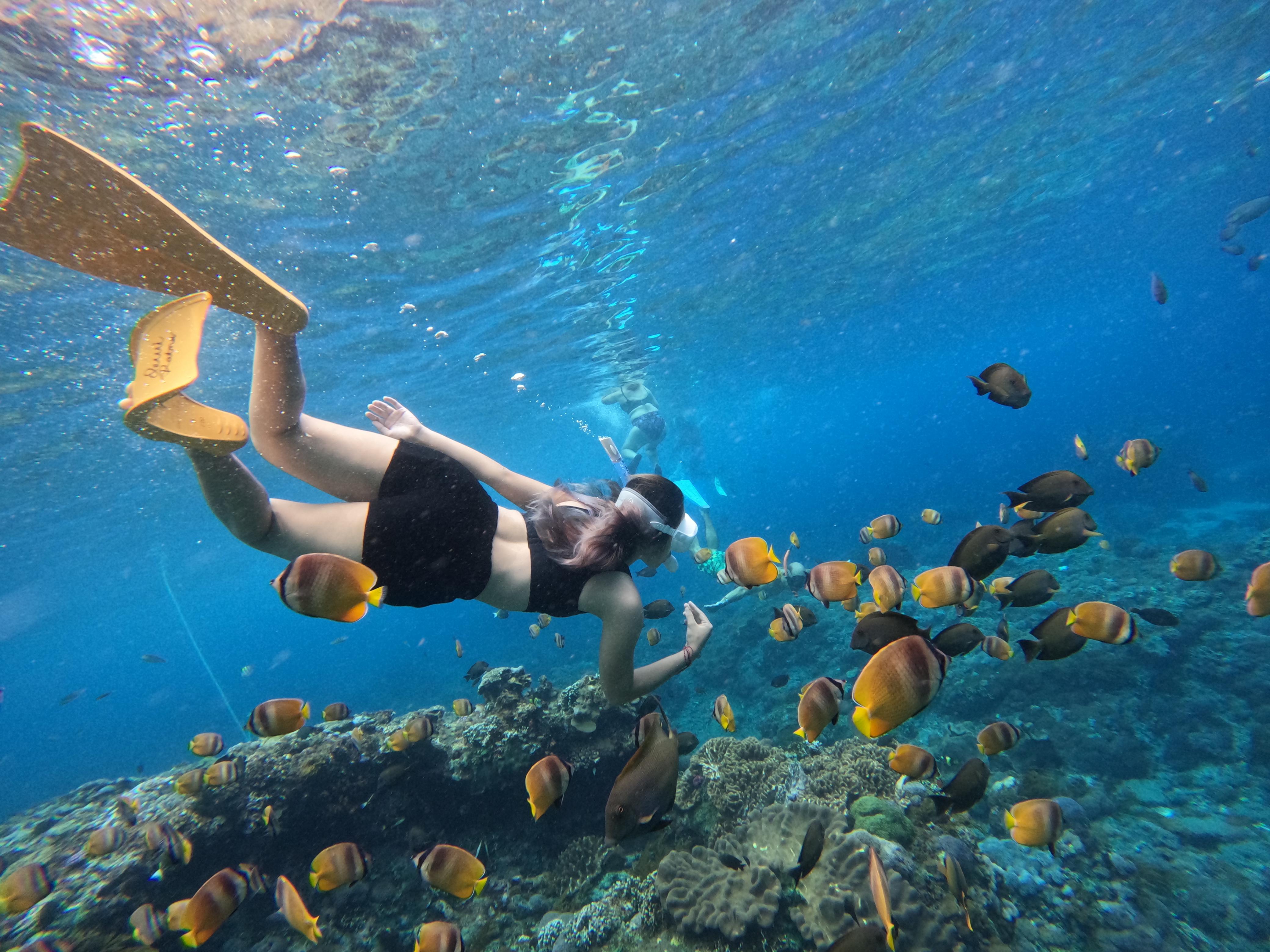
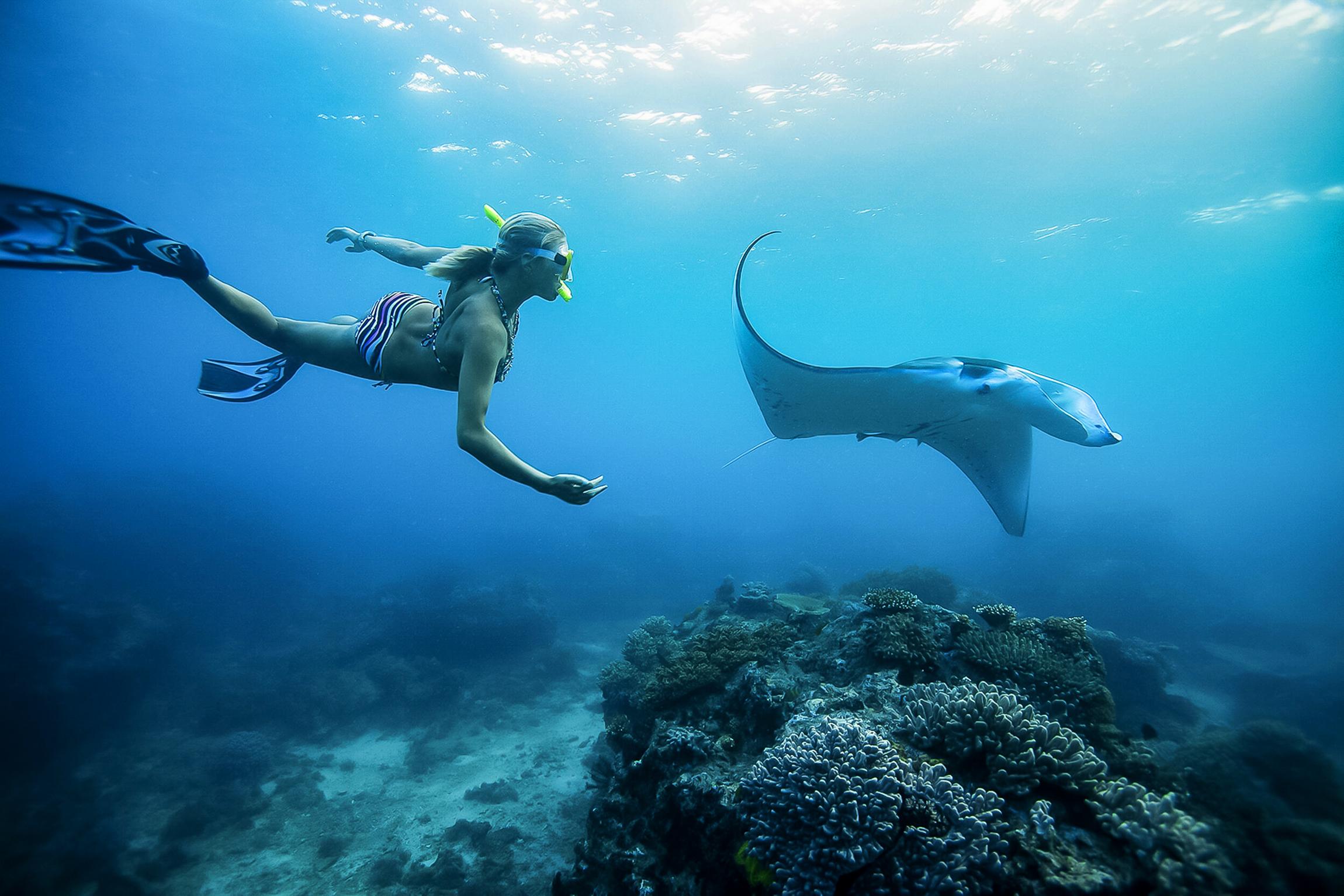
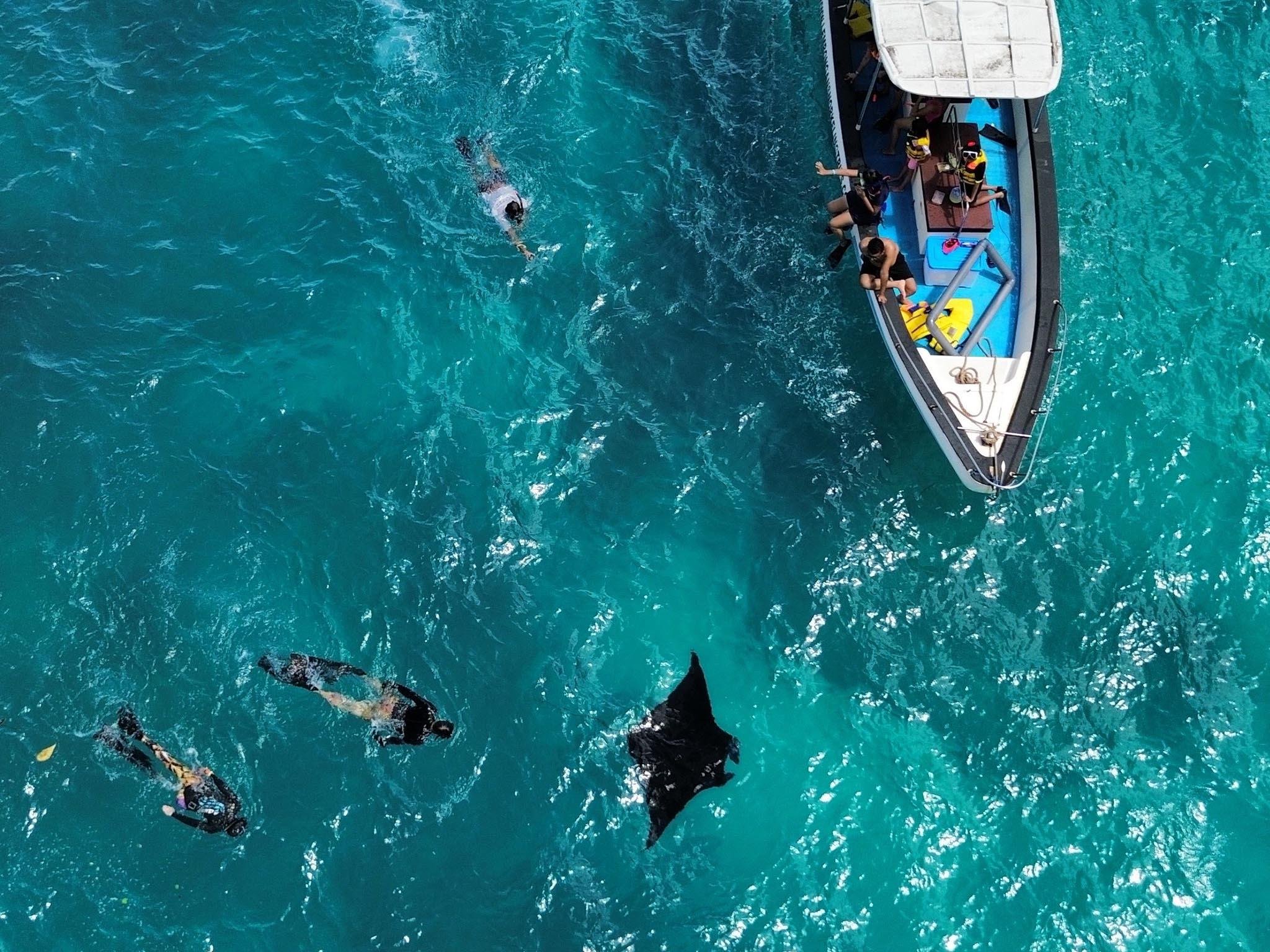
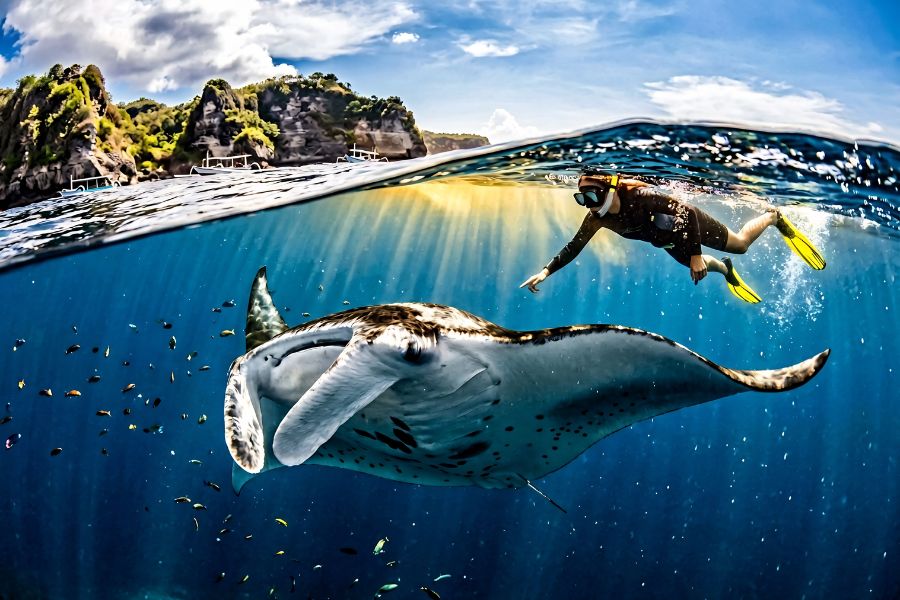
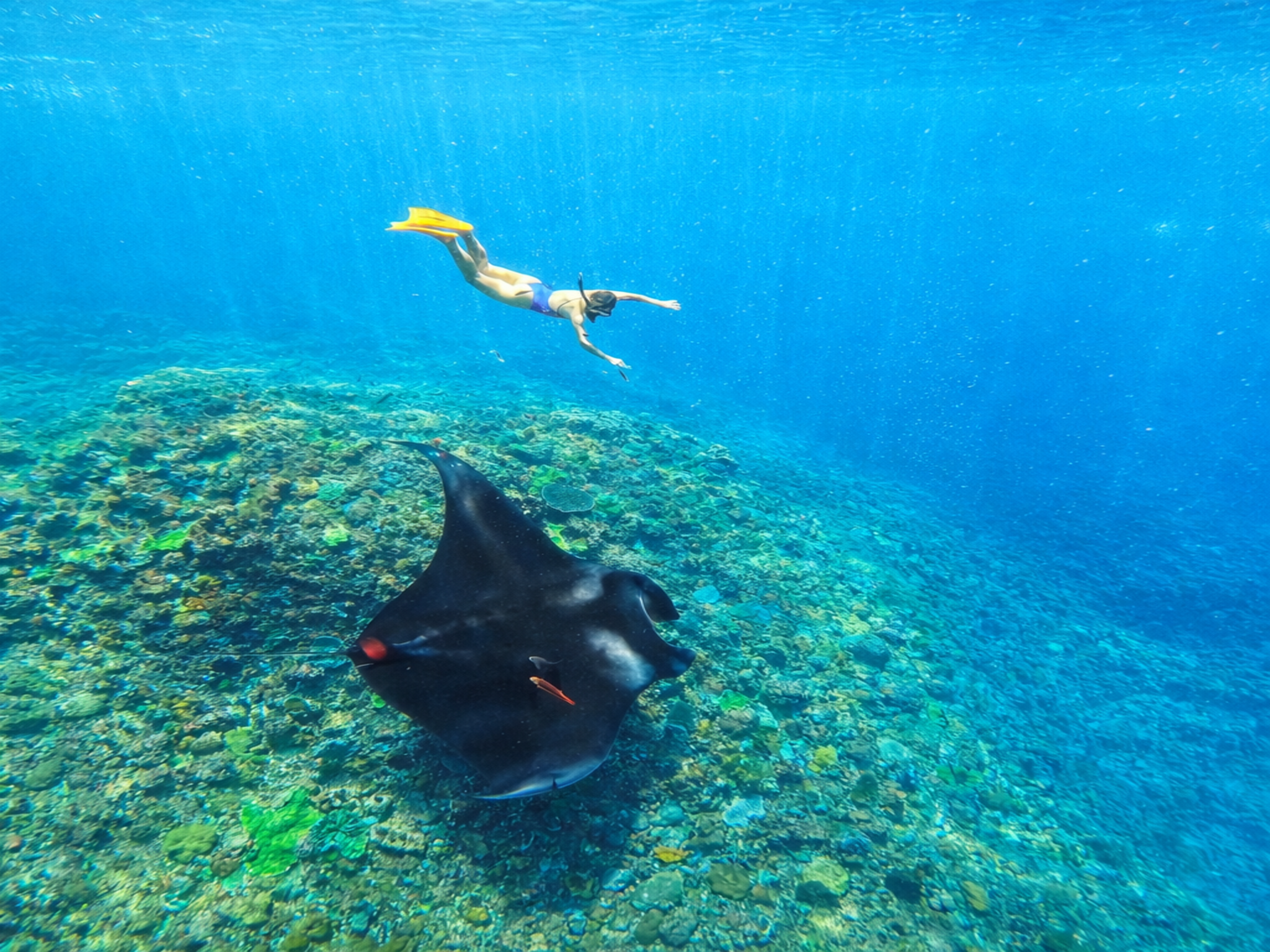
The 45-minute crossing delivers you to Toyapakeh harbor on Nusa Penida's northern shore, where you pay the IDR 25,000 conservation fee and transfer to a smaller boat for the short run to Manta Point. You slip into water that hovers at 26 degrees Celsius, the current already pulling you southwest along the reef's outer edge. Within three minutes you spot the first manta, a four-meter female gliding two meters below the surface, mouth open to filter plankton. You hold your position and watch five more mantas spiral upward from the depths, their cephalic fins unfurling as they feed.
By 10:00 you've moved to Crystal Bay. You descend a mooring line to the reef at ten meters, where coral bommies rise like towers from the sandy floor. A hawksbill turtle picks at soft coral polyps, indifferent to your approach. The water here is colder—thermoclines from the deep channel brush the bay's eastern edge—and you surface after 40 minutes to warm up on the boat. The final stop is Gamat Bay, where shallow gardens of table coral reflect midday light in shades of turquoise and violet. Small groupers hide beneath plate formations. You drift with the incoming tide, finning gently past schools of sergeant majors until the guide signals the return to Toyapakeh at 13:30.
All the details about your upcoming adventure in one place
Nusa Penida sits 14 kilometers southeast of mainland Bali, where the warm Java Sea collides with the cold upwellings of the Indian Ocean. This convergence creates nutrient-rich currents that sustain the largest seasonal aggregation of reef manta rays in Indonesia.
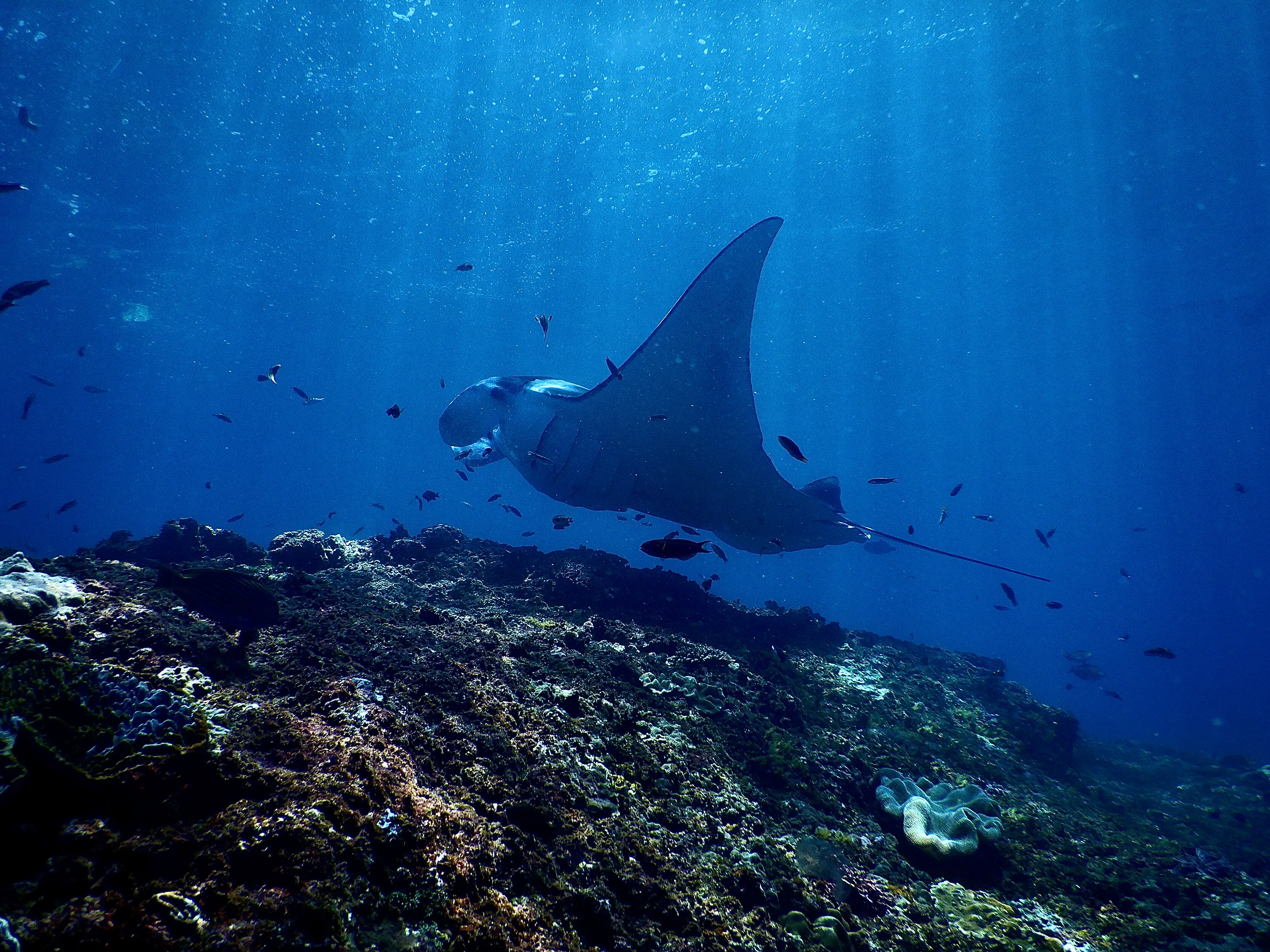
Marine biologists recorded over 600 individual mantas at Manta Point between 2014 and 2026, identified by unique spot patterns on their ventral surfaces. The reef mantas here reach wingspans of five meters and feed year-round on plankton blooms triggered by the Lombok Strait's thermocline shifts.
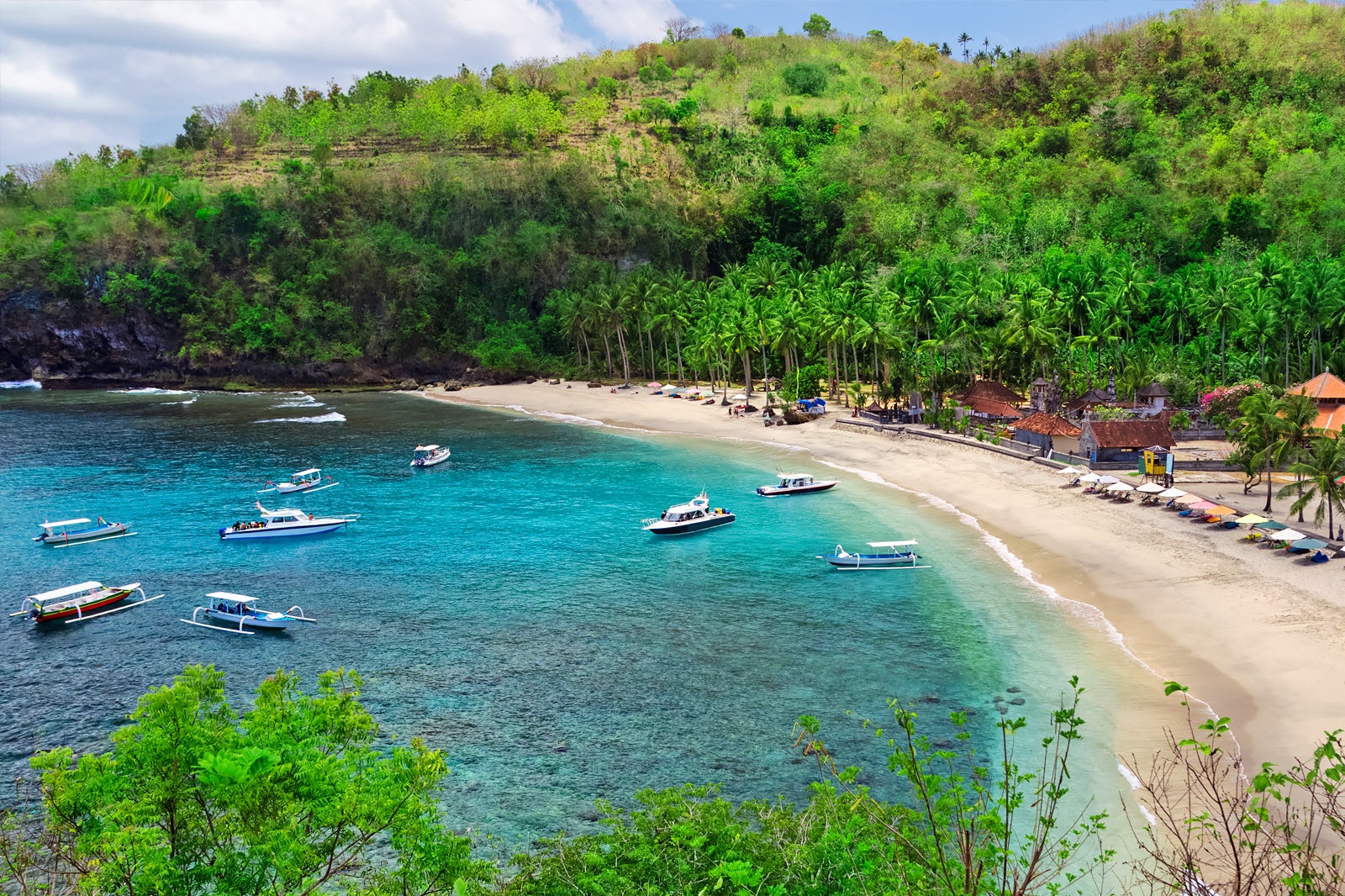
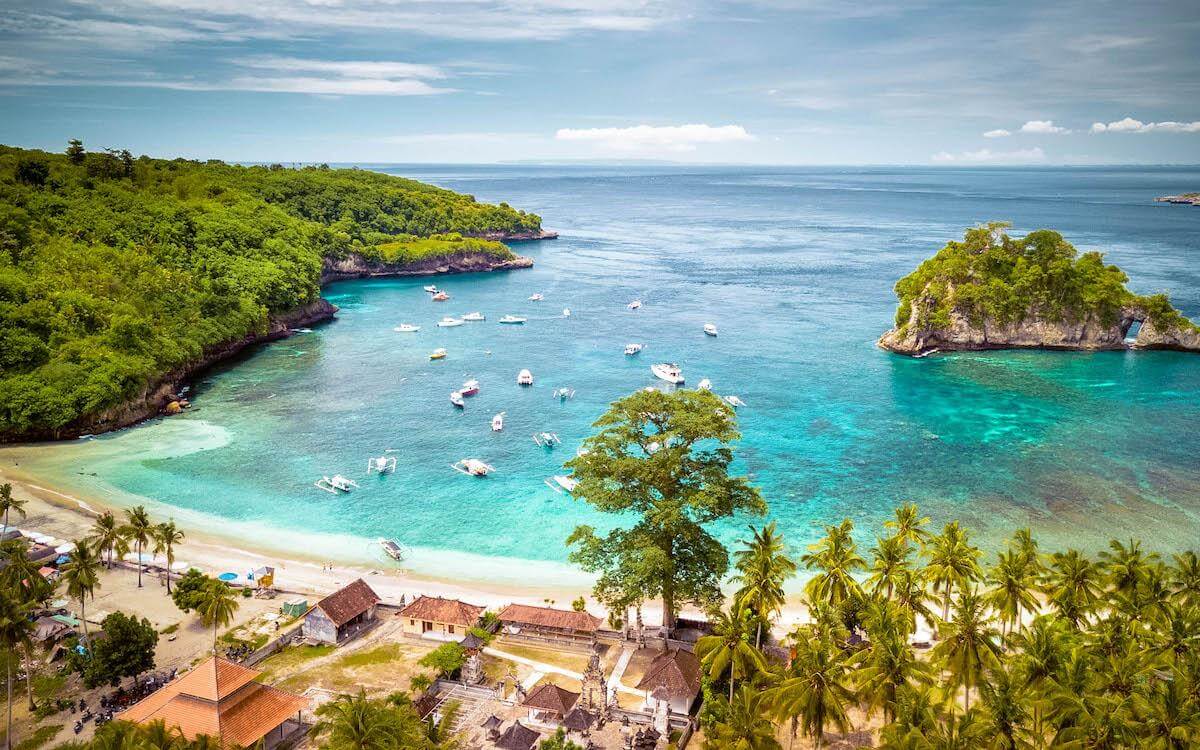
Crystal Bay anchors the island's northwest coast, a crescent of white sand backed by limestone karst that rises 200 meters above the waterline. The bay's sheltered position creates clarity exceeding 30 meters during the dry season, May through October. Hard coral gardens at depths between eight and 18 meters support hawksbill turtles, blacktip reef sharks, and schools of fusiliers that cloud the water column during morning tides. The site gained international attention in 2004 when divers documented the first oceanic sunfish sightings outside deep pelagic zones. Mola mola appear here July through October, ascending from depths beyond 200 meters to visit cleaner wrasse stations on the reef's eastern edge.
Gamat Bay lies two kilometers south, accessible by outrigger from Toyapakeh harbor. The bay's sloping reef descends from three meters to a sandy bottom at 22 meters, with staghorn coral formations that recovered fully after the 2016 bleaching event. Visibility remains consistent at 15 to 20 meters year-round. Marine surveys conducted by Indonesia's Ministry of Maritime Affairs in 2024 classified Gamat Bay as a priority conservation zone due to its intact coral cover and juvenile fish populations. Snorkeling Bali Nusa Penida tours typically combine two to three sites during a single day excursion, timed to avoid the strongest tidal currents that flow between 11:00 and 14:00. The island's limestone geology creates underwater topography distinct from Bali's volcanic reefs — vertical walls, swim-throughs, and overhangs that shelter species uncommon on the mainland.
Marine biologists recorded over 600 individual reef mantas at Manta Point, identified by unique ventral spot patterns.
Wear swimwear, a rash guard for sun protection, and easy-to-remove clothing. Sandals or water shoes are recommended for walking on rocky shoreline paths during snorkeling bali nusa penida excursions.
Keep belongings minimal and water-resistant. Use dry bags for electronics and valuables while engaging in snorkeling bali nusa penida activities on open boats.
Underwater cameras are ideal for capturing marine life. Ensure all equipment is secured with a wrist strap or float to avoid loss during snorkeling bali nusa penida tours.
Children must be accompanied by an adult at all times. Snorkeling bali nusa penida provides life jackets in various sizes, but parents should evaluate swimming proficiency before entering the water.
Access to snorkeling sites requires boarding small wooden boats from the beach or a pier. Guests must possess moderate mobility to navigate boat ladders and uneven currents.
Bring your own reusable water bottle to reduce plastic waste. Consume snacks only in designated areas on land to maintain the cleanliness of the marine environment during your snorkeling bali nusa penida experience.
Opening Hours
06:00–19:00
Address
Nusa Penida, Klungkung Regency, Bali, Indonesia
Accessibility
Varies by boat and site conditions
Best arrival window
06:00–09:30
Storage
Limited at harbor, use secure lockers
Boat · 45m · Varies by operator
Fast boats depart Sanur harbor regularly
Full refunds are provided for cancellations made at least 24 hours in advance. The 25,000 IDR island entry fee is non-refundable as it is collected upon arrival at the harbor.
Recommended time
4-6 hours
A full morning allows you to engage in snorkeling bali nusa penida with enough time to visit remote reef sites before the currents shift. If you book snorkeling bali nusa penida tours that include island sightseeing, plan for a full day to accommodate land transport and harbor logistics. To secure the best visibility, utilize snorkeling bali nusa penida tickets for early departures, as the water conditions often deteriorate when high boat traffic accumulates by midday.
Crowd levels through the day
Weather · crowds · average price — dots go green to amber to red as each metric rises.
Cooler temperatures and clearer visibility for snorkeling.
High tide usually offers better visibility for snorkeling bali nusa penida trips.
Nusa Penida remained a penal colony and quarantine island for centuries, its limestone cliffs and treacherous currents deterring settlement. The Klungkung kingdom used the island to exile criminals and lepers, leaving it sparsely populated until the mid-twentieth century. Fishing communities clung to the northern shores, but the southern coastline—today's prime snorkeling corridor—stayed virtually inaccessible. No roads penetrated the interior, and local boats avoided the exposed reefs where manta rays and reef sharks patrolled. The transformation began in the early 2000s when a handful of Balinese dive operators from Sanur began chartering trips to Manta Point and Crystal Bay. Word spread through backpacker networks after underwater photographers posted images of schooling mantas in 2004. By 2008, a dirt track linked Toyapakeh harbor to the southern cliffs, and guesthouses appeared in Ped village. The island remained off-grid; generators powered the few warungs serving divers. Snorkeling bali nusa penida tours were still rare, overshadowed by Lembongan's calmer waters. Explosive growth followed the 2014 completion of a paved road to Kelingking Beach and the arrival of fast boats from Sanur offering same-day returns. Instagram propelled Nusa Penida into the mainstream between 2016 and 2018, and snorkeling operations multiplied to meet demand from cruise passengers and Ubud day-trippers. Manta Bay became a bottleneck; by 2019, over fifty boats anchored simultaneously during peak season, prompting a zoning proposal that stalled during the pandemic. Infrastructure remains patchy—waste management lags behind visitor numbers, and dive shops compete for mooring sites. The 25,000 IDR island entry fee, introduced in 2021, funds harbor upgrades but has yet to address reef crowding. Today's operators navigate a marine environment stressed by rapid commercialization yet still teeming with pelagic life.
Klungkung kingdom uses Nusa Penida as a penal colony and quarantine zone for exiles
Sanur dive operators pioneer excursions to Manta Point and Crystal Bay, attracting underwater photographers
First dirt road connects Toyapakeh harbor to southern cliffs, enabling guesthouse development in Ped village
Paved road to Kelingking Beach completed; fast boat services from Sanur expand, opening the island to day-trippers
Instagram exposure drives visitor surge; snorkeling operators proliferate to serve cruise and mainland tourists
Peak crowding at Manta Bay prompts zoning discussions; over fifty boats anchor simultaneously in high season
Island entry fee of 25,000 IDR introduced to fund harbor infrastructure and visitor management
Nusa Penida establishes itself as Bali's premier pelagic snorkeling destination despite ongoing reef-pressure concerns
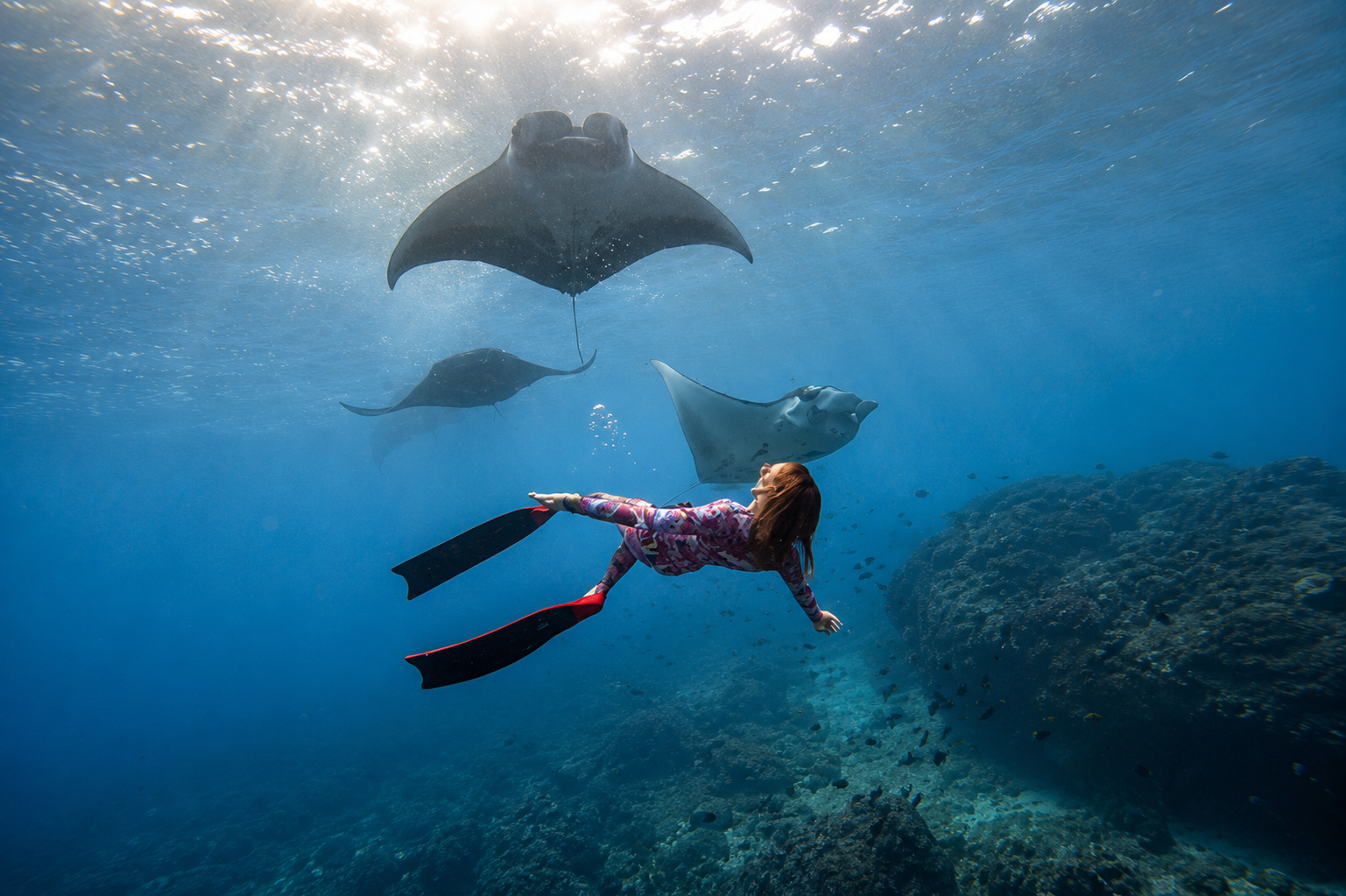
Position yourself near the surface to capture the massive silhouettes of manta rays gliding over the sandy ocean floor. The visibility here allows for clear shots of these gentle giants against the deep blue backdrop of the Indian Ocean during snorkeling bali nusa penida excursions.
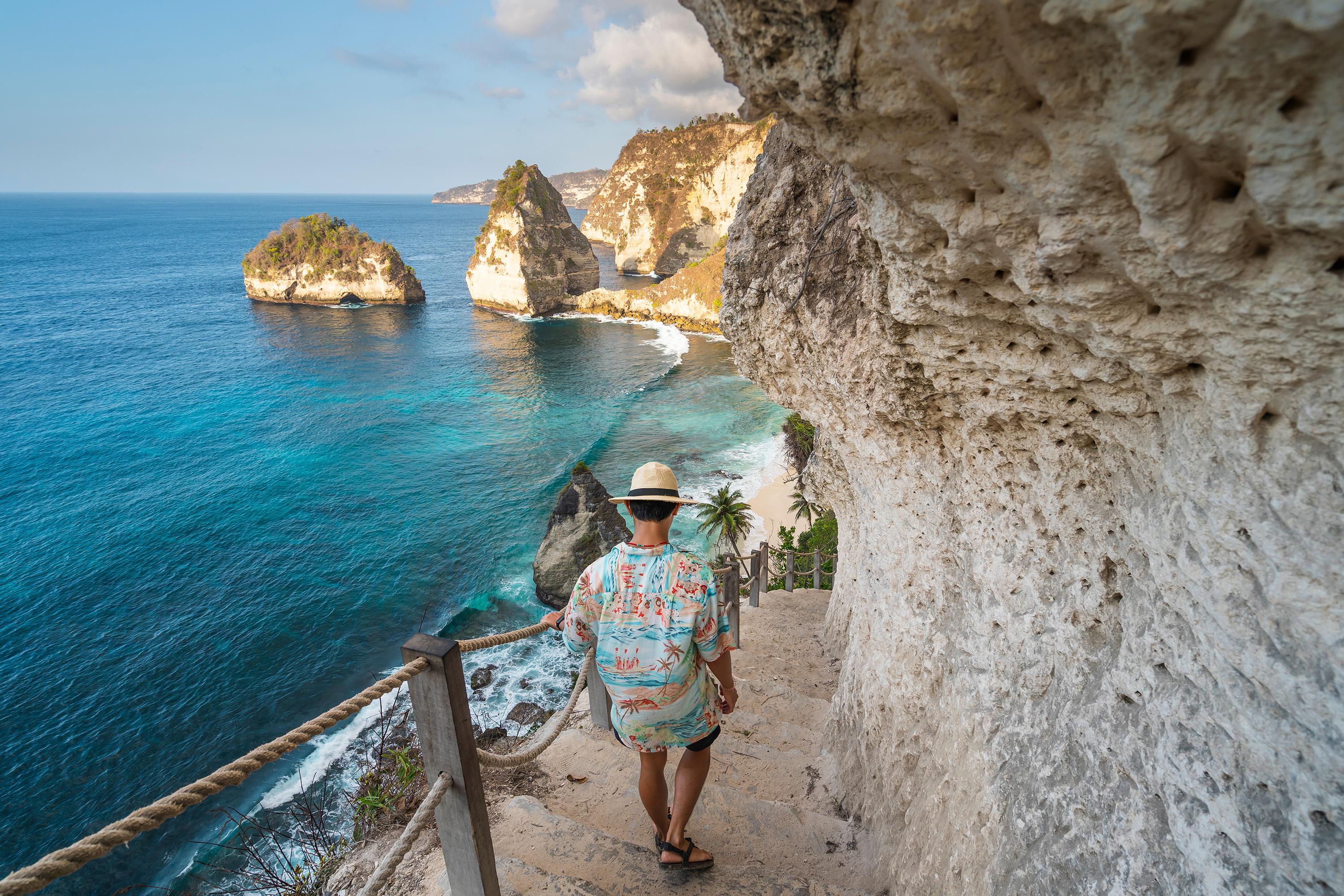
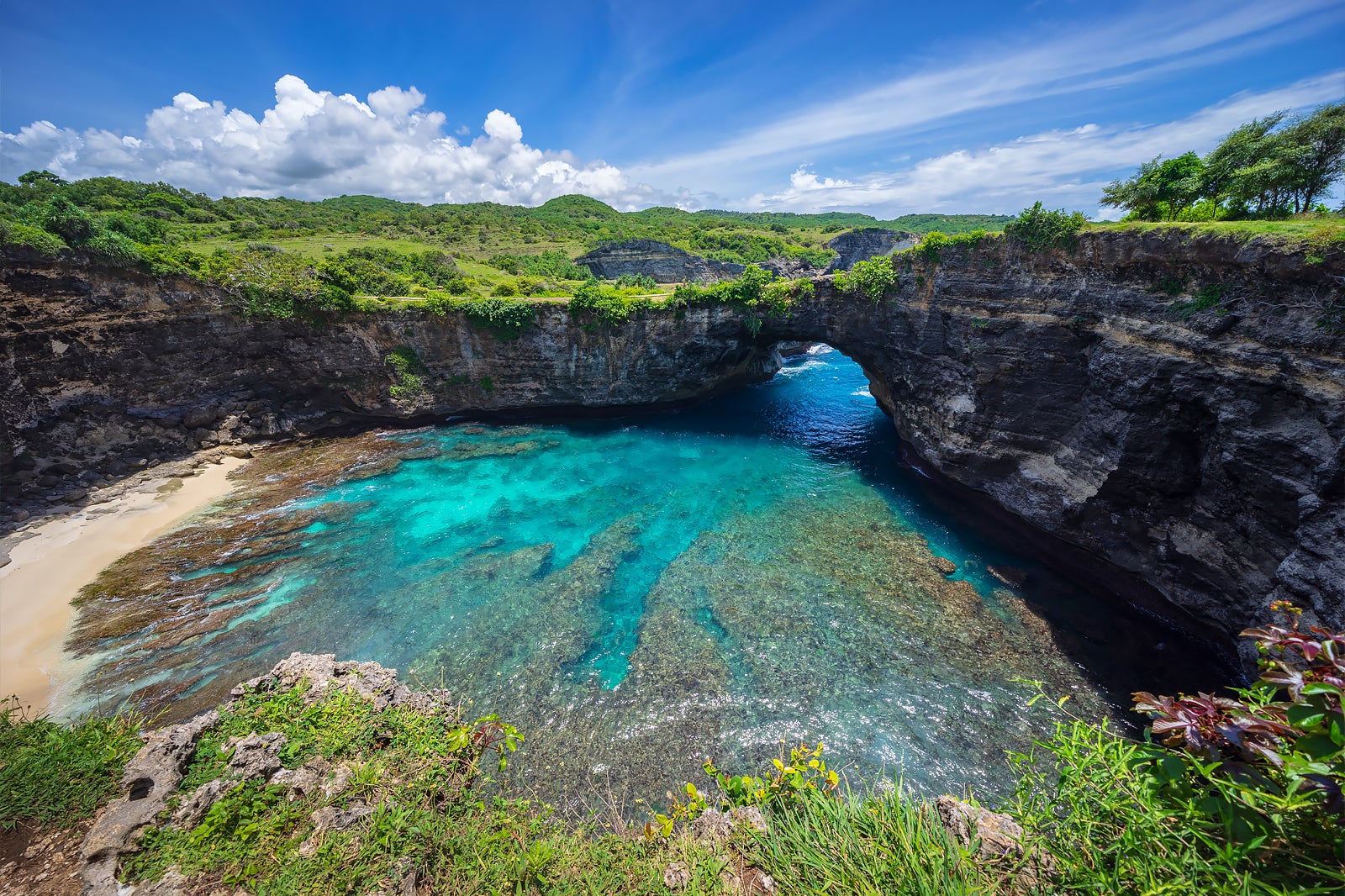
Stand on the shoreline at the edge of the cove to frame the limestone cliffs and turquoise water, or capture the vibrant coral reefs just below the surface. This location is a staple for those booking a snorkeling bali nusa penida tour to photograph diverse marine life.
Focus your lens on the vertical coral walls that drop off into the abyss, providing a dramatic sense of scale. Photographers often use wide-angle settings here to document the density of tropical fish while utilizing snorkeling bali nusa penida tickets to access the reef.
Exploring the underwater world through snorkeling bali nusa penida is a rewarding experience for families, provided you prioritize ocean safety and comfort. Because local currents and boat conditions can be unpredictable, a well-planned marine excursion is key to a smooth day with your children.
Nusa Penida is rugged with uneven terrain, so leave strollers behind and use a high-quality baby carrier instead. The island's paths are rarely suited for wheels, making carriers essential for any snorkeling bali nusa penida tour.
There is no strict minimum age, but children aged 5 to 7 typically manage best if they are comfortable in the water. Always judge your child's confidence rather than their birth date when considering these snorkeling bali nusa penida tours.
Life jackets or snorkel vests are non-negotiable for all children, regardless of their swimming ability. For a safer experience, ensure your children use traditional mask-and-snorkel sets rather than full-face masks to avoid CO2 buildup.
Hiring a private guide is the best way to manage safety for your family, as professionals can adapt to changing conditions. They provide specialized oversight and help locate calmer sites like Crystal Bay for a more relaxed outing with your snorkeling bali nusa penida tickets.
Expect basic facilities with limited baby-changing amenities across the island. Pack a portable changing mat and plan your logistics to rely on the boat or your private vehicle for quick transitions and shade.
Finding a meal near snorkeling Bali Nusa Penida is straightforward, as the main harbor area of Toyapakeh features numerous casual eateries perfect for refueling after morning aquatic excursions. Most visitors participating in snorkeling Bali Nusa Penida tours choose to dine at the beachside warungs, which offer fresh seafood and local refreshments within a short walk of the docks.
Located near the harbor, this spot serves traditional nasi goreng and mie goreng that satisfy hunger after your snorkeling Bali Nusa Penida tour. It is a simple, no-frills environment suitable for a quick post-swim bite.;Penida Espresso
Everything you need to know for your journey
The area is accessible from 06:00–19:00 daily.
Yes, an island entry fee of 25,000 IDR per person is collected upon arrival at the harbor.
The best arrival window is 06:00–09:30 to avoid heavy day-tripper crowds.
Yes, families are welcome provided children are supervised and wear appropriate life jackets.
Yes, single-use plastics and chemical sunscreens are prohibited to preserve the local reefs.
You can reach the departure points by taking a fast boat from Sanur, Bali.
Many snorkeling bali nusa penida operators offer guides for beginners who provide safety briefings and floating devices.
Bring reef-safe sunscreen, a towel, and a waterproof pouch for your snorkeling bali nusa penida adventure.
Cancellations made 24 hours in advance receive a full refund, excluding the non-refundable 25,000 IDR entry fee.
A popular site for swimming and sunset views
Convenient for early morning departures
Join thousands of happy travelers who have discovered this incredible experience
Book Your Experience Now