

Quick answer
Snorkeling Bali Amed is available 24/7 from public beaches with free access, though some private entry points charge a small fee. Arrive between 07:00 and 10:00 for the clearest water and calmest conditions before afternoon winds pick up. The Japanese shipwreck, coral walls at Jemeluk Bay, and the drop-off at Lipah Beach are all accessible directly from shore without a boat.
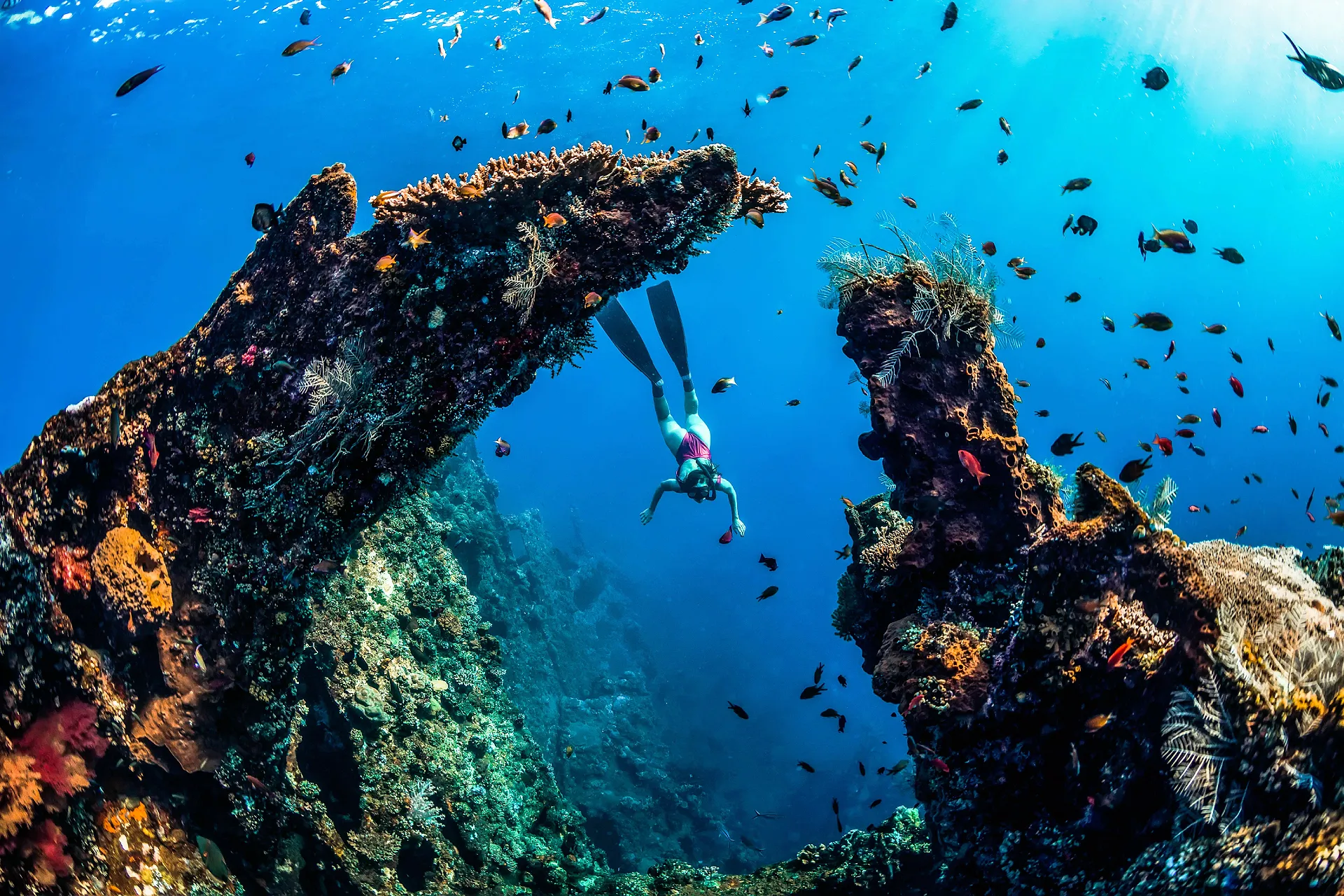
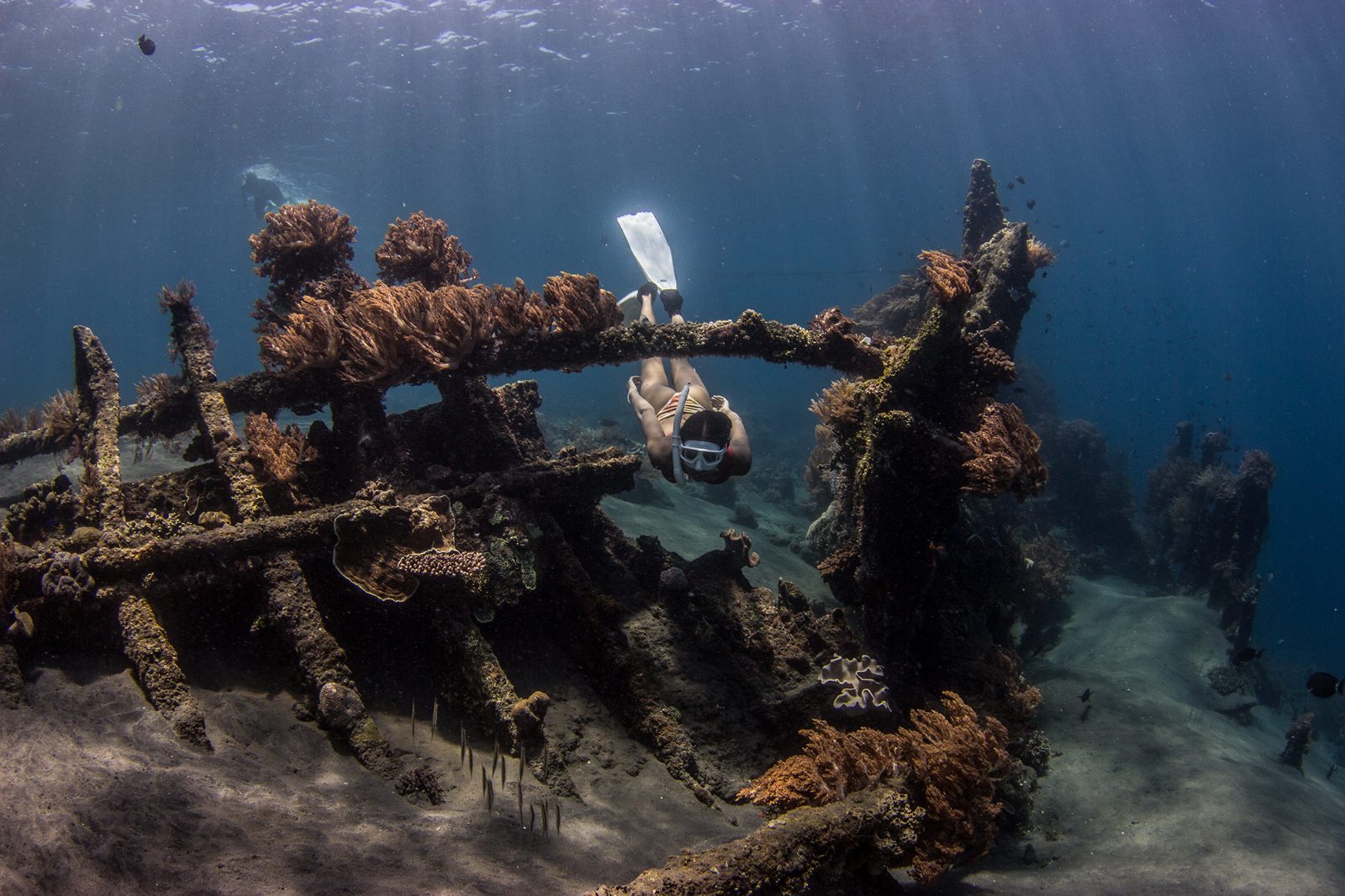
The Japanese shipwreck lies in four meters of water just twenty-five meters offshore, its wooden ribs encrusted with soft corals and patrolled by schools of sergeant majors and parrotfish. The wreck dates to World War II and rests on a black-sand slope that drops gradually toward deeper reef structures. Jemeluk Bay anchors the central snorkeling zone, where a shallow coral garden extends along the bay's southern edge before transitioning to a sloping wall. Visibility here ranges from ten to twenty-five meters depending on swell and tide. Surgeonfish, triggerfish, and occasional sea turtles move through the hard coral formations. The bay's calm inner section suits beginners, while the outer wall rewards stronger swimmers with greater coral density and pelagic visitors. Snorkeling in Amed happens directly from the beach. Entry points line the coast from Jemeluk through Bunutan, each with its own topography. Lipah Beach offers a steep drop-off close to shore, while Selang's gentle slope extends farther before reaching coral. Local warungs near most beaches rent masks, fins, and snorkels for around 50,000 IDR per set. The volcanic sand retains heat, so reef shoes help during midday exits. Morning snorkeling in Amed delivers the sharpest underwater clarity. By noon, onshore breezes stir surface chop and reduce visibility. The dry season from April through October brings the most predictable conditions, though the reef remains diveable year-round. Night snorkeling reveals hunting lionfish and sleeping parrotfish wedged into coral crevices, but requires a local guide familiar with current patterns and entry points after dark.
“The Japanese shipwreck lies in four meters of water just twenty-five meters offshore, its wooden ribs encrusted with soft corals.”
The Best Arrival Window for Snorkeling Bali Amed
The best arrival window for snorkeling Bali Amed is 07:00–10:00. This period offers the best water clarity and lower wind speeds before midday, significantly improving underwater visibility and safety.
Dry Season (April–October)
Moderate crowds27°C to 29°C; dry and sunny
Low rainfall ensures calmer seas and consistent visibility.
Wet Season (November–March)
Lower crowds26°C to 30°C; higher humidity
Occasional afternoon rain can reduce water clarity.
Weekday mornings
Minimal crowds—
Arriving early avoids the peak mid-morning wind and boat activity.
Verdict: The best time to visit is during the dry season between April and October, specifically arriving during the best arrival window of 07:00–10:00.
Opening Hours and Accessibility at Snorkeling Bali Amed
Amed Beach remains accessible to the public at all hours, allowing visitors to explore the coastline whenever conditions permit.
| Monday | 00:00–23:59 | |
|---|---|---|
| Tuesday | 00:00–23:59 | |
| Wednesday | 00:00–23:59 | |
| Thursday | 00:00–23:59 | |
| Friday | 00:00–23:59 | |
| Saturday | 00:00–23:59 | |
| Sunday | 00:00–23:59 |
Entrance Fees and Costs for Snorkeling Bali Amed
Access to Amed Beach is free for all visitors. Costs for snorkeling are limited to potential optional fees for local services or specific private beach entry points.
A typical adult pays 0 IDR for beach access, though individual land owners may charge small fees for entry through private property.
Notable Underwater Highlights While Snorkeling Bali Amed
The coastline of Amed features diverse underwater zones ranging from shallow volcanic sand slopes to historic shipwrecks. Each site offers distinct topography and marine biodiversity accessible directly from the beach.
Japanese Shipwreck
Located in Banyuning, this 20-meter long wreck lies in shallow water and is covered in soft corals. It is accessible just a few meters from the shore.
Swim out during low tide to see the structure clearly.
Jemeluk Bay
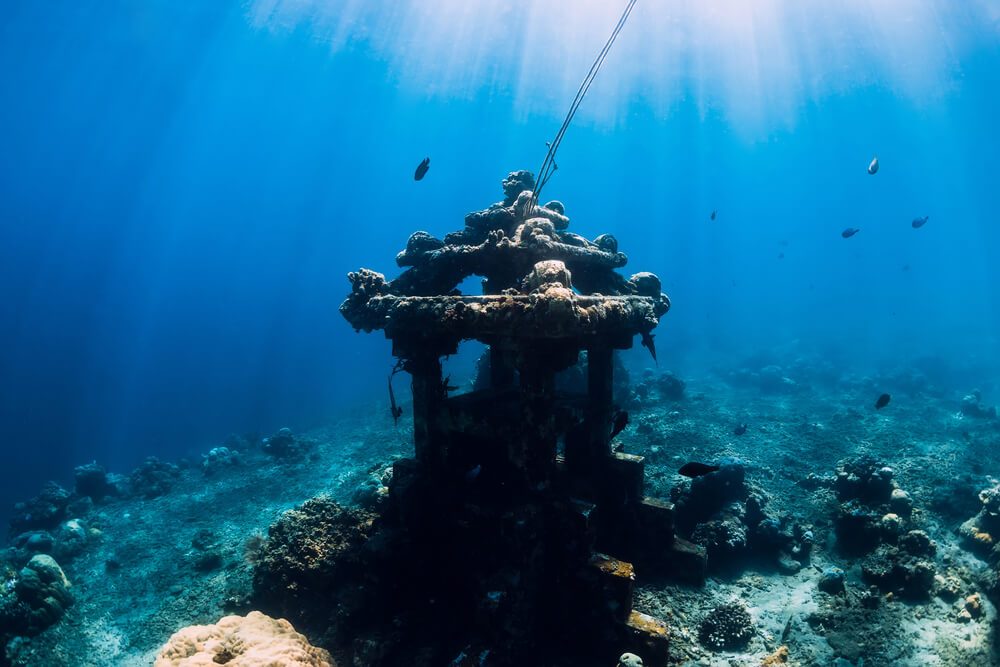
This bay features a steep wall drop-off and an artificial underwater temple structure. It is a central site for observing schools of reef fish.
Stay near the temple statues to see frequent fish activity.
Lipah Beach
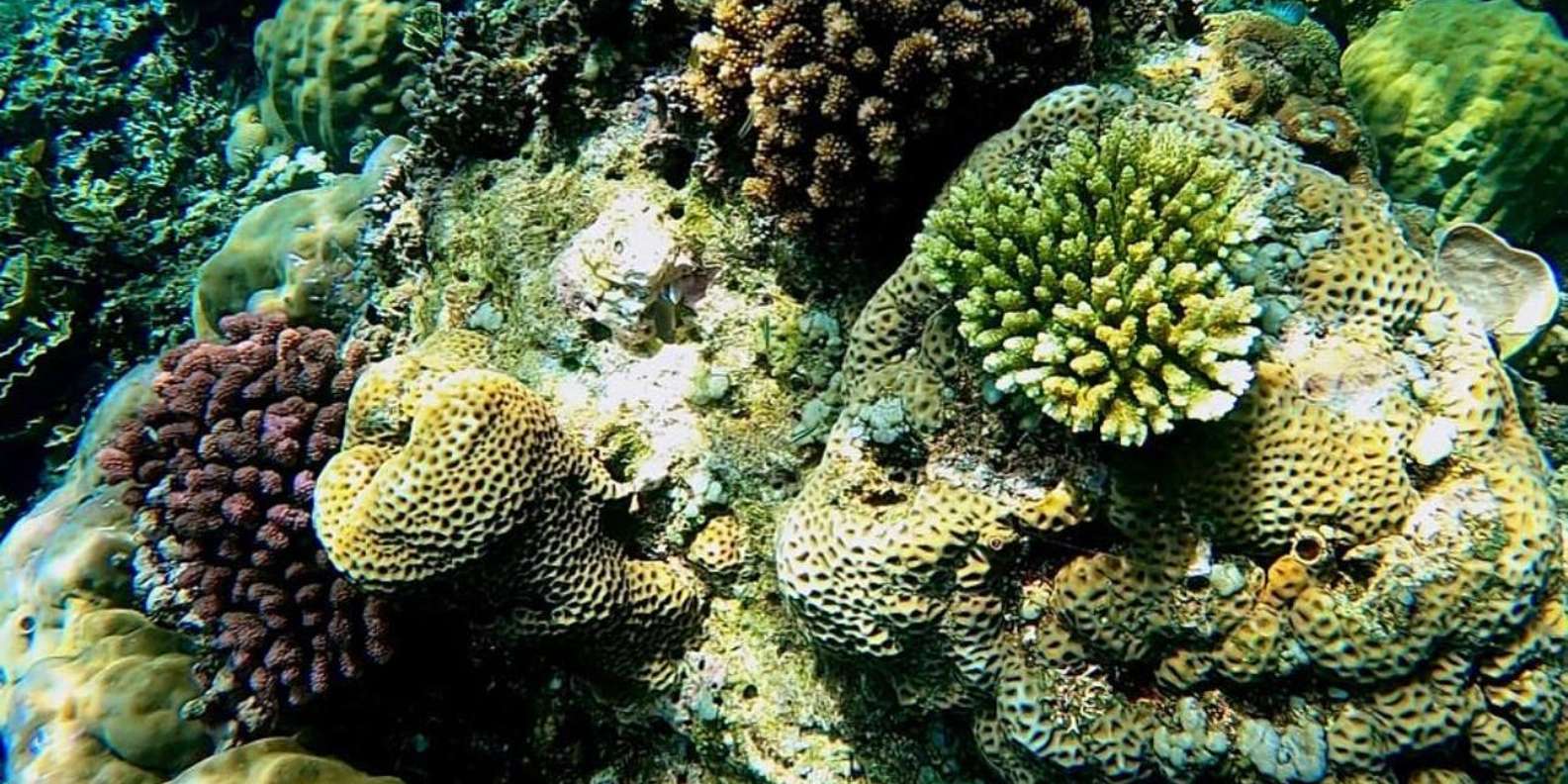
A quiet stretch of coastline known for its expansive coral gardens and calm water conditions. The area is suitable for observing turtles and macro marine life.
Search the sandy patches for blue-spotted ribbon tail rays.
Bunutan Point
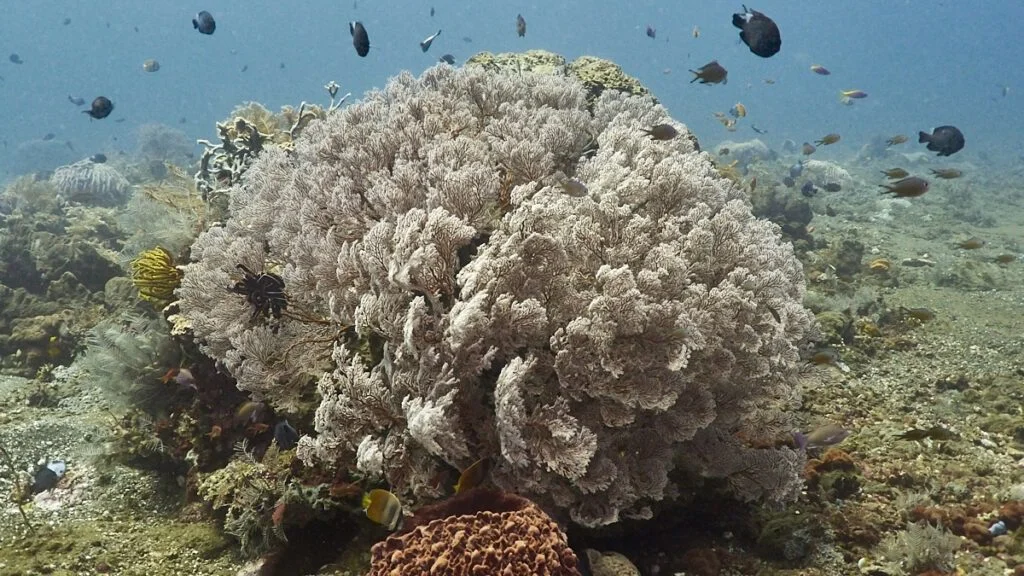
Known for stronger currents, this site offers a drift snorkeling experience with larger pelagic fish and healthy gorgonian fans. It is best suited for experienced snorkelers.
Hold onto the mooring lines if the current picks up.
Directions and Transport to Snorkeling Bali Amed
Amed Beach is located in the Karangasem Regency on the eastern coast of Bali. The most direct approach is by private vehicle or pre-arranged transport via the coastal road network.
Jalan Raya Amed via Jl. Raya Tulamben
Private hire via Jl. Raya Karangasem
Local coastal paths between Jemeluk and Lipah
Essential Tips for Snorkeling Bali Amed
Practical guidance to enhance your time in the water while protecting the local marine environment.
Reef protection
Avoid using sunscreen containing oxybenzone, as these chemicals damage coral polyps and marine life. Opt for mineral-based sunscreens or wear a long-sleeved rash guard for protection.
Jukung boat traffic
Stay aware of traditional jukung fishing boats entering and exiting the beach. Always maintain a clear distance from moving vessels to ensure your safety in the water.
Gear hygiene
Inspect rental masks for a proper seal and ensure snorkels are cleared of debris before entering the water. Most local warungs offer reliable equipment, but checking the silicone skirt for flexibility prevents leaks.
Current awareness
Tidal movements can create localized currents, particularly around headlands in Amed. If you feel resistance, swim parallel to the shore rather than directly against the current to return safely.
Marine life etiquette
Do not touch or stand on coral structures, as they are fragile and recover slowly from physical contact. Keep a respectful distance from sea turtles and other marine animals to avoid causing them stress.
Check availability
Frequently asked questions about snorkeling bali amed
Everything you need to know about snorkeling bali amed