

Quick answer
Snorkeling Bali Nusa Dua is free to access daily from dawn to dusk, with optimal visibility between 06:00 and 10:00 when tides are stable and boat traffic remains light. The main reef sites lie 30 to 80 meters offshore at depths of two to six meters, reachable by surface swim. Coral cover varies by beach zone, and current strength shifts with tide cycles.
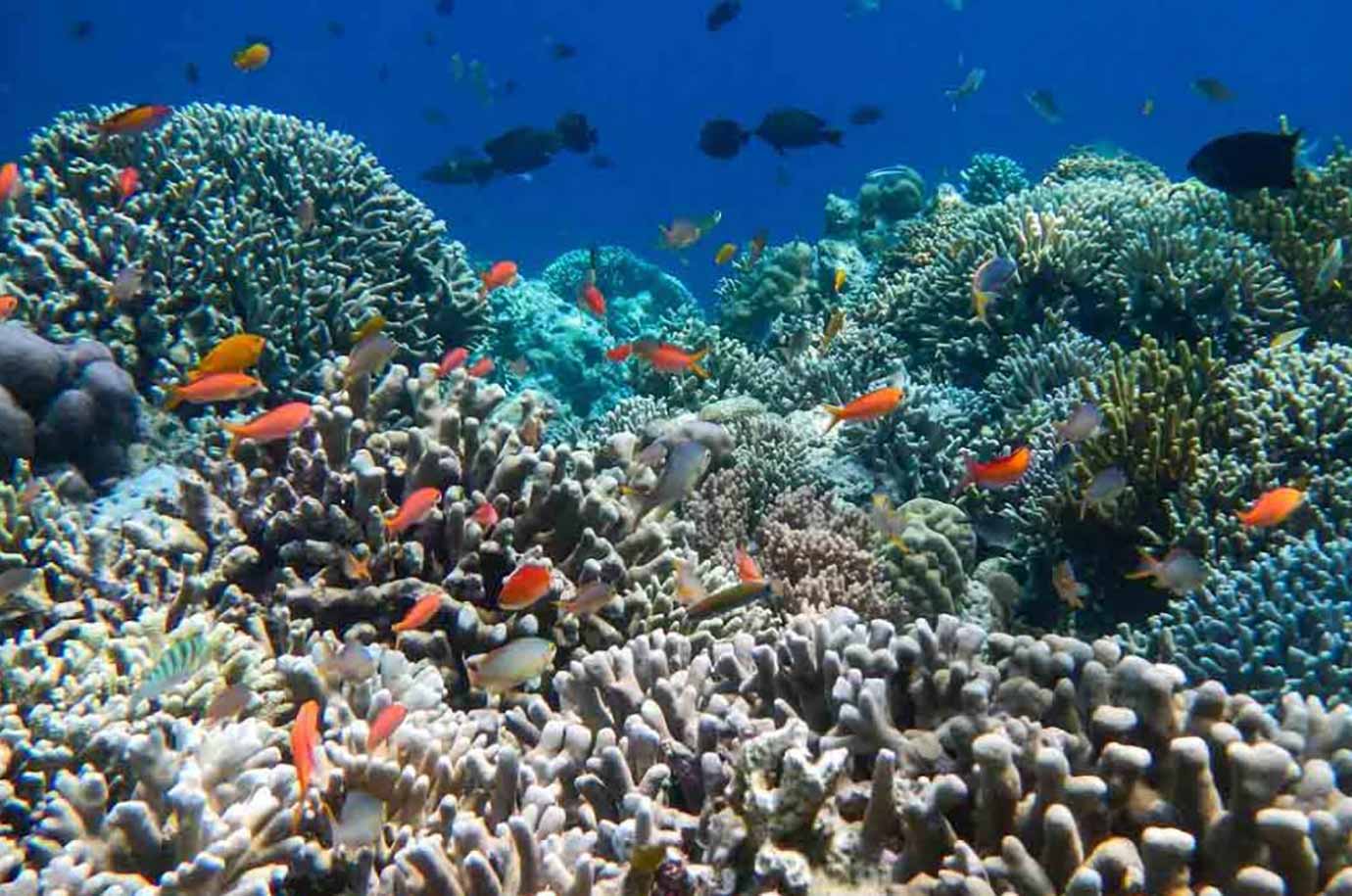
The reef system off Nusa Dua extends five kilometers along South Kuta's eastern shore, forming a natural breakwater that keeps the inner bay calm most of the year. Hard coral coverage reaches 40 percent in protected pockets, with table corals, brain corals, and staghorn clusters hosting schools of fusiliers, parrotfish, and occasional blacktip reef sharks in the shallows. Access points spread across seven beaches, each named for the resort zone it fronts. Geger Beach on the southern end offers the shallowest entry and clearest water during southeast monsoon months. Mengiat Beach in the central zone features a sandy channel through the reef, ideal for less confident swimmers. The northern stretch near Samuh Beach holds deeper coral walls but requires stronger swimming to reach the drop-off. Water clarity fluctuates with rainfall and plankton bloom cycles, ranging from eight meters in dry season to four meters after heavy rain. Snorkeling in Nusa Dua works best on incoming or high slack tide when current drag is minimal and suspended sediment settles. Outgoing tides can create surface chop and pull swimmers toward the reef edge where the bottom drops to 15 meters. Most visitors enter mid-morning after the tide has turned but before charter boats arrive for dive operations. Rental kiosks at major beaches stock masks, fins, and snorkels for 50,000 to 100,000 IDR per set, though bringing personal gear ensures proper fit. Marine life density peaks near coral bommies and rock outcrops where angelfish, butterflyfish, and triggerfish congregate. Turtles forage on seagrass beds between reef sections, particularly off Sawangan Beach. Visibility inside the lagoon rarely exceeds 12 meters due to the enclosed geography, but the shallow depth keeps light levels high enough for photography without strobes. Jellyfish presence increases during full-moon phases, and fire coral grows along the outer reef slope where wave action is stronger.
“The reef system off Nusa Dua extends five kilometers along South Kuta's eastern shore, forming a natural breakwater that keeps the inner bay calm most of the year.”
The Best Time for Snorkeling Bali Nusa Dua
The best time for snorkeling in Nusa Dua is during the morning window of 06:00–10:00. This timeframe provides calmer waters and superior visibility while avoiding the peak intensity of the mid-day heat.
Dry Season (May–September)
Moderate to HighDry, 27°C–31°C. Ideal for consistent water clarity and minimal rainfall.
Wet Season (October–April)
LowerHumid, 26°C–32°C. Frequent short rain showers, but snorkeling remains viable.
Weekday mornings
Low—. Best arrival window for calmer waters and fewer crowds before the heat increases.
Verdict: The best slot is weekday mornings between 06:00 and 10:00 during the dry season months of May to September.
Opening Hours for Snorkeling Bali Nusa Dua
The beaches in the Nusa Dua area provide public access around the clock, allowing visitors to reach the shoreline at any time. While the coast remains accessible 24 hours a day, please plan your snorkeling activities based on daylight hours and tidal conditions.
| Monday | 00:00–23:59 | |
|---|---|---|
| Tuesday | 00:00–23:59 | |
| Wednesday | 00:00–23:59 | |
| Thursday | 00:00–23:59 | |
| Friday | 00:00–23:59 | |
| Saturday | 00:00–23:59 | |
| Sunday | 00:00–23:59 |
Entrance Fees for Snorkeling Bali Nusa Dua
Access to the public beaches in Nusa Dua for snorkeling is free of charge. Visitors may only encounter incidental costs for vehicle parking.
Adults pay 0 IDR for beach entry, though parking fees may apply depending on the specific location.
How to Reach Snorkeling Bali Nusa Dua Locations
Nusa Dua is located in South Kuta, Badung Regency, and is most easily accessed by private vehicle or taxi. Primary snorkeling locations such as Mengiat Beach and Samuh Beach are reachable through the main Nusa Dua tourism area gates.
Jalan Bypass Ngurah Rai to Nusa Dua main gate
Direct service to Nusa Dua Beach via Jalan Pratama
Walk from major Nusa Dua resorts to beachfront access
Insider Tips for Snorkeling Bali Nusa Dua
Navigating the waters of Nusa Dua requires local knowledge to ensure both personal safety and marine preservation.
Gear Check
Inspect rental masks and snorkels for damaged silicone seals or cracked valves before leaving the shore. A poor seal leads to constant water leakage and reduced visibility during your swim.
Current Awareness
Observe the tidal movement before entering the water, as currents near the reef edge can shift rapidly. Stay within the designated swimming zones to avoid unexpected offshore drifts.
Coral Protection
Maintain neutral buoyancy to prevent your fins from striking the delicate reef structures. Touching or standing on coral causes permanent damage to the ecosystem and puts you at risk of injury.
Sunscreen Safety
Use reef-safe, zinc-based sun protection to prevent chemical damage to the coral polyps. Conventional sunscreens often contain oxybenzone which is toxic to local marine life.
Water Interaction
Do not feed or touch the marine life you encounter while snorkeling. Natural behaviors are disrupted by human interaction, and some species may react defensively when approached.
Preparation Checklist for Snorkeling Bali Nusa Dua
Pack smart to make the most of Nusa Dua's calm reefs and minimize hassle on the day.
-
Pack reef-safe sunscreen — Chemical filters damage coral; choose mineral-based formulas.
-
Bring a waterproof bag — Protect phones, wallets, and dry clothes from sand and saltwater.
-
Wear water shoes or sandals — Rocky entries and sea urchins are common along the shore.
-
Carry your own snorkel gear if possible — Rental quality varies; a proper-fitting mask prevents leaks and discomfort.
-
Bring a rash guard or swim shirt — Provides sun protection without reapplying sunscreen constantly in the water.
-
Pack a small towel and change of clothes — Facilities are limited; you'll want to rinse off and stay comfortable after.
-
Arrive before 10:00 — Calmer waters and better visibility before mid-day heat and crowds.
Check availability
Frequently asked questions about snorkeling bali nusa dua
Everything you need to know about snorkeling bali nusa dua