

Quick answer
Snorkeling Bali Sanur is best between 06:30 and 10:00, when morning water clarity peaks and winds remain calm. The beach is open 24 hours with free public access at Sanur Beach, Denpasar. Afternoon winds typically pick up after 11:00, reducing visibility and creating chop that makes swimming to the reef more challenging. The coral shelf begins in waist-deep water near the low-tide line and extends 50 to 150 meters offshore depending on location.
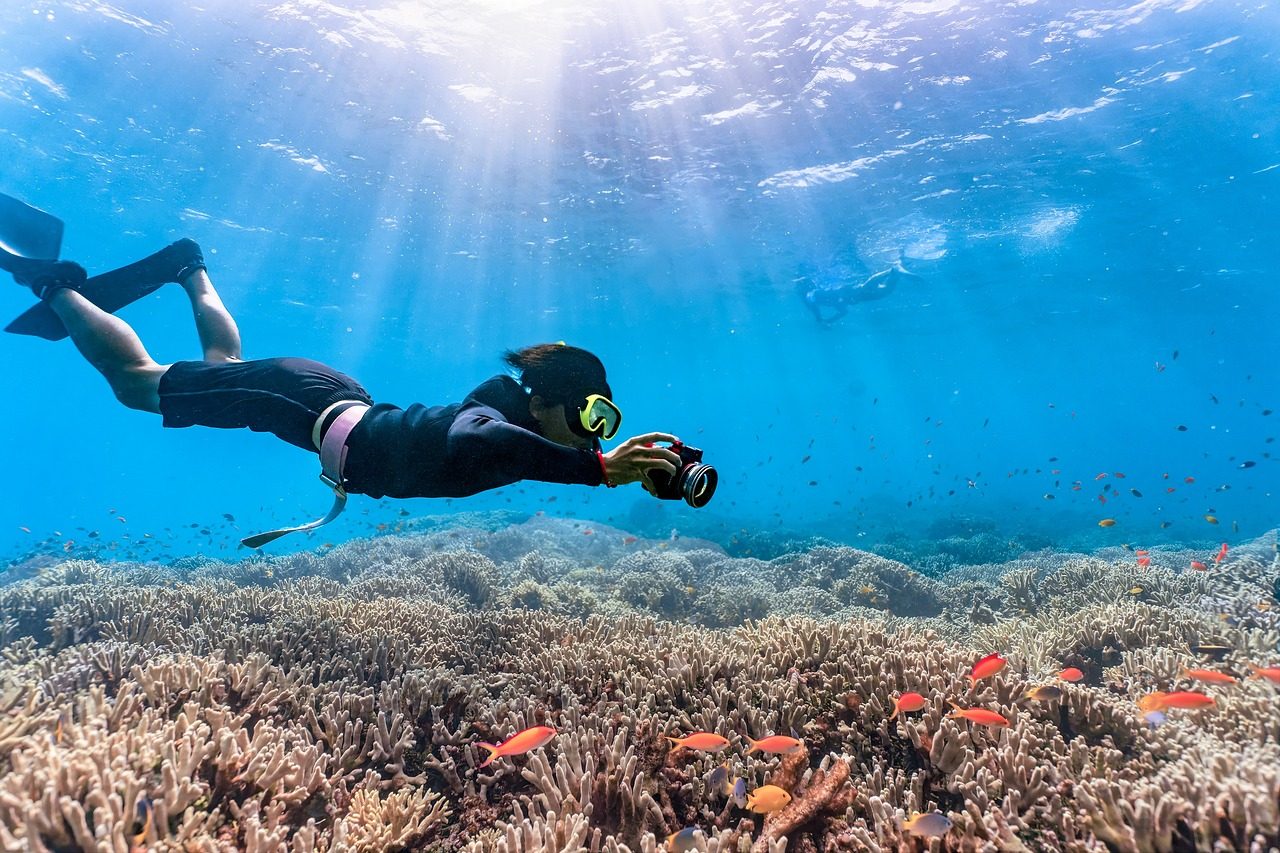
The reef protecting Sanur Beach is one of the longest continuous coral formations accessible from shore in southern Bali, stretching nearly five kilometers from Sindhu Beach north to the Hyatt property. During low tide cycles, portions of the reef break the surface, creating natural navigation markers for swimmers heading out from shore. Morning light penetrates the water column at angles that illuminate the coral structure and make fish easier to spot against the sandy channels. Parrotfish, surgeonfish, and resident triggerfish patrol the shallow reef flat where hard corals compete for space with soft coral colonies and sponges. The depth over most snorkeling zones ranges from two to four meters, shallow enough that surface swimmers can observe detail without descending. Sanur's eastern orientation and sheltered position behind the reef create a microclimate distinct from the surf beaches on Bali's southern peninsula. Wave energy dissipates across the outer reef edge, leaving the lagoon-like zone between shore and reef calm enough for beginners. Local outriggers and fishing boats navigate marked channels through the reef, and snorkelers should stay clear of these transit corridors during morning and late afternoon when boat traffic increases. The substrate between shore and reef consists of sand with scattered coral bommies and seagrass patches that host juvenile fish. Visibility fluctuates with tidal exchange and recent weather, ranging from six meters on clear mornings after calm days to under three meters following heavy rain or strong winds. The reef's health varies by section—northern stretches near the Batu Jimbar area show more robust coral cover, while sections near river outflows experience periodic sedimentation. Snorkeling in Sanur operates on a self-guided model. No ticket gates or formal entry points exist along the public beach, and swimmers access the water directly from the sand. Gear rental stands cluster near popular hotel zones and charge daily rates for mask, snorkel, and fins.
“The reef protecting Sanur Beach is one of the longest continuous coral formations accessible from shore in southern Bali, stretching nearly five kilometers.”
Is Snorkeling Bali Sanur Free for Public Access?
Access to Sanur Beach for snorkeling is free for the public. Any costs associated with the experience are limited to optional equipment rentals or private boat charters.
A typical adult pays 0 IDR for beach entry, with total costs depending solely on the specific gear or boat services selected.
Getting There: Accessing Snorkeling Bali Sanur
Sanur Beach is located in Denpasar, Bali, and serves as the primary coastal gateway for snorkeling trips. Most visitors reach the beach via the main coastal road, Jalan Danau Tamblingan, which provides access to various public beach entry points.
Direct drive to Sanur Beach via Jl. By Pass Ngurah Rai
Drive via Jl. Danau Tamblingan to public parking areas
Departure from Sanur Harbor for offshore snorkeling spots
Essential Preparation for Snorkeling Bali Sanur
Sanur's calm waters suit beginners, but proper gear and tide awareness separate a safe session from a frustrating one.
-
Pack mask, snorkel, and fins — Rental quality varies; your own gear ensures proper fit and hygiene.
-
Check tide charts for Sanur Beach — Low tide exposes sharp coral and limits swimming depth.
-
Bring reef-safe sunscreen — Chemical sunscreens damage Sanur's coral; mineral-based options protect both skin and marine life.
-
Download offline maps of the area — Cell coverage weakens along the beach; offline navigation prevents getting disoriented.
-
Confirm water conditions the day before — Seasonal swells and wind affect visibility; local surf reports or your accommodation can advise.
-
Carry a dry bag for valuables — Public beach access means no secure storage; waterproof protection is essential.
Common Mistakes to Avoid When Snorkeling Bali Sanur
Most snorkeling incidents at Sanur stem from misjudging tides and ignoring marked boat channels. These mistakes are avoidable with basic awareness of local conditions.
Snorkeling during low tide near the reef
Low tide exposes sharp coral and creates hazardous currents. Check tide tables and snorkel only when water depth exceeds 1.5 meters over the reef.
Entering water in boat traffic lanes
Traditional jukung fishing boats operate close to shore throughout the day. Stay within the marked swimming zones and never cross boat paths without checking both directions.
Swimming too far from shore alone
Sanur's currents strengthen beyond 100 meters offshore, especially during tide changes. Always snorkel with a partner and stay within 50 meters of the beach.
Ignoring afternoon wind warnings
Southeast winds pick up after 11:00, creating choppy surface conditions that reduce visibility and increase fatigue. Plan your session for the 06:30–10:00 window when conditions remain calm.
Touching or standing on coral formations
Contact damages living coral and causes cuts that heal slowly in tropical water. Maintain neutral buoyancy and keep hands and fins clear of all reef structures.
Check availability
Frequently asked questions about snorkeling bali sanur
Everything you need to know about snorkeling bali sanur